
A heated House floor debate from 2018 has resurfaced online, reigniting a fierce political argument over race, consumer lending, government regulation, and the way Washington talks about ordinary American businesses.
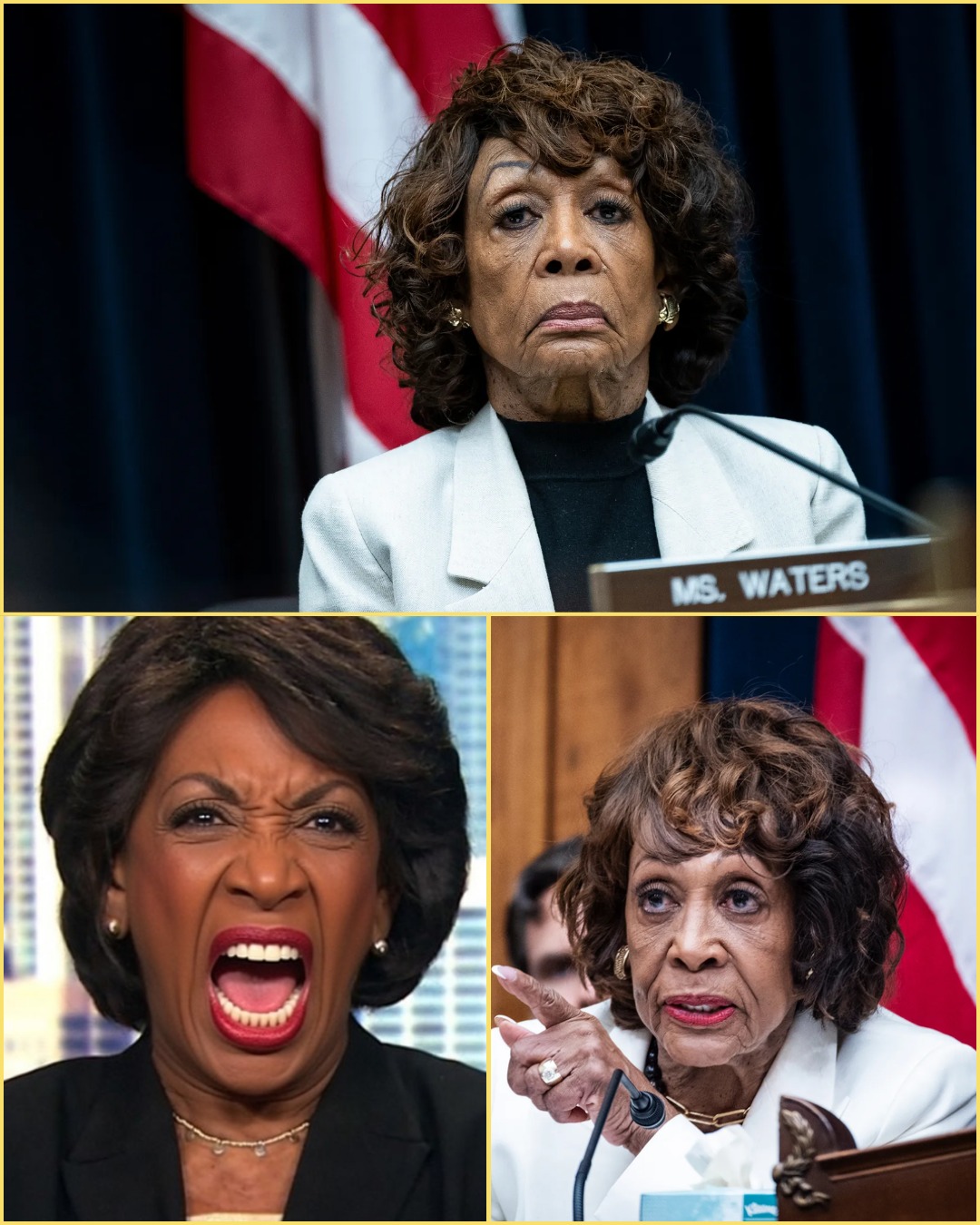
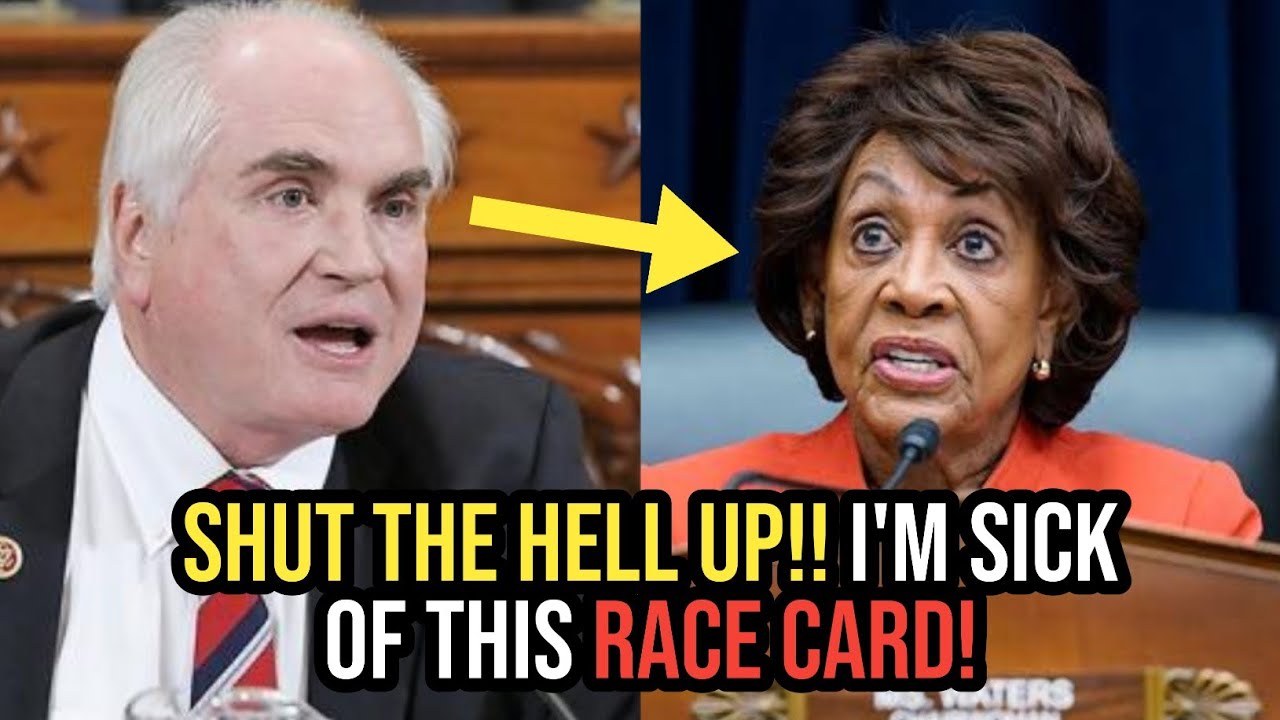
At the center of the clash were Republican Representative Mike Kelly of Pennsylvania and Democratic Representative Maxine Waters of California. What began as a debate over an Obama-era consumer finance rule quickly turned into a personal and emotional confrontation over discrimination, the automobile industry, and the phrase “Make America Great Again.”
Democrats argued that the Consumer Financial Protection Bureau guidance was designed to protect minority car buyers from being charged higher interest rates. Republicans argued the guidance relied on flawed assumptions and unfairly targeted auto dealers who were simply trying to help customers secure financing.
Then Kelly, whose family had been in the car business since 1953, took the floor.
He said he had listened as Democrats accused the auto industry of discrimination and predatory behavior. To him, those claims were not just political. They were personal. His family had sold thousands of vehicles to customers of every race, background, and income level. In his view, no dealership could survive for decades by mistreating the very communities it served.
“You cannot be in business for 65 years doing it the wrong way,” Kelly argued.
That line became the heart of his defense. He described auto dealers not as villains, but as local business owners who sponsor Little League teams, support high school programs, donate to charities, and help working families get the transportation they need.
Kelly’s frustration boiled over when he accused Democrats of turning every policy dispute into an accusation of discrimination. When facts run out, he suggested, politicians reach for race, gender, and identity to divide Americans.
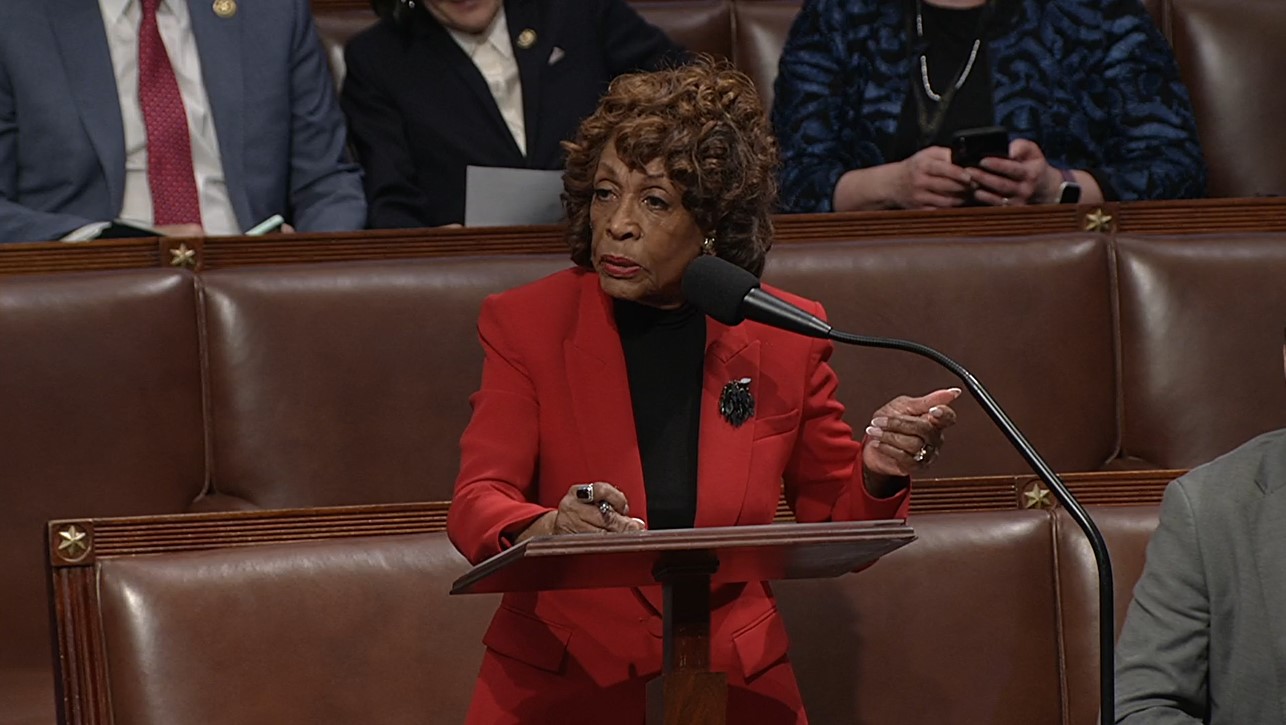
Waters immediately fired back. As an African-American woman, she said she was deeply offended by Kelly’s remarks and by his use of “Make America Great Again.” She accused President Trump of dividing the country and rejected any suggestion that women or minorities did not understand what happens in auto dealerships.
She refused to yield even one second.
The exchange captured two completely different views of America.
For Kelly, the debate showed how Washington elites attack entire industries without understanding how they actually work. He argued that lawmakers who have never sold cars, arranged financing, or dealt with customers face-to-face should not casually smear dealers as discriminatory.
For Waters, the debate was about lived experience and structural inequality. She rejected the idea that discrimination concerns were imaginary or manufactured. To her, dismissing those concerns was itself part of the problem.
That is why the moment still resonates.
The policy issue was technical: whether federal regulators should oversee dealer markups in auto lending to prevent discrimination. But the emotional issue was much larger: who gets to define fairness in America?
Republicans saw overreach. Democrats saw protection.
Republicans saw small businesses being accused without evidence. Democrats saw minority consumers potentially paying more because of hidden lending practices.
The collision between those views produced one of the sharpest floor exchanges of the period.
Kelly’s most memorable line came near the end: “You know an awful lot about laptops, but you know nothing about blacktop.” It was a direct challenge to lawmakers who, in his view, debate from offices and screens rather than from the real-world dealership floor.
His message was simple: before accusing an industry of discrimination, go work with the families trying to buy a car. See how dealers negotiate with lenders. See how they help customers who might not qualify on their own. See how local businesses survive by building trust.
Waters’ message was equally direct: do not lecture minority lawmakers about discrimination. Do not pretend race and gender have no role in American commerce. And do not use slogans about national greatness while ignoring the people who feel excluded from that promise.
In the end, neither side backed down.
The resurfaced clip has gone viral because it speaks to today’s political climate even more than it did in 2018. Americans are exhausted by accusations, counteraccusations, and the feeling that every argument becomes racialized before the facts are settled.
But the clip also shows why these debates are so hard. Discrimination can exist even in industries filled with good people. At the same time, entire industries can be unfairly smeared by political narratives that flatten complexity.
The truth may be uncomfortable for both sides.
Consumers deserve protection from unfair lending. Dealers deserve not to be branded as racists without solid evidence. Regulators should rely on transparent data. Lawmakers should avoid turning every policy disagreement into moral theater.
What Kelly and Waters exposed was not just a disagreement over auto loans. It was a deeper national fracture over trust, identity, business, and government power.
And years later, that fracture has only grown wider.