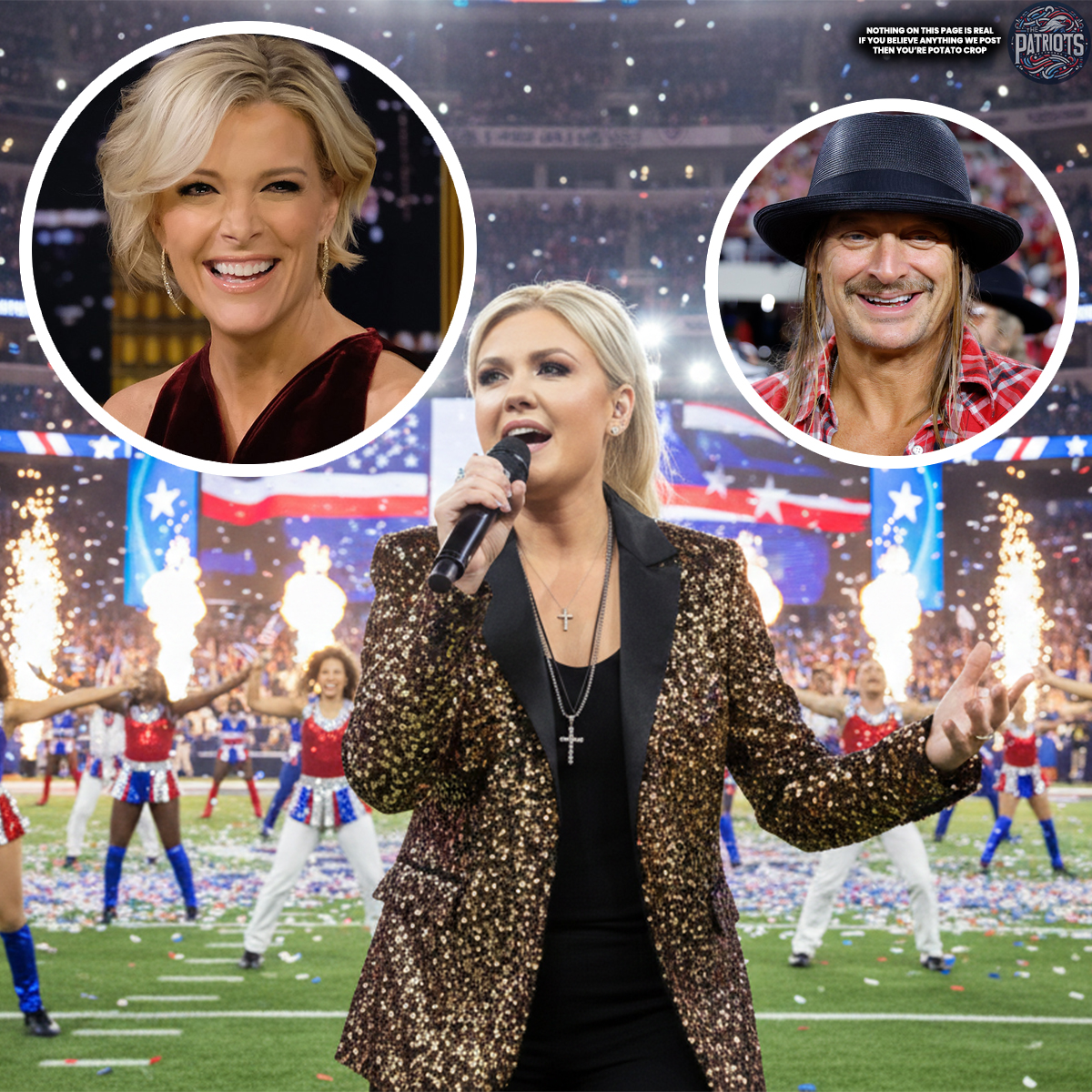

In 2026, the Super Bowl halftime show faced an unprecedented challenge when Turning Point USA (TPUSA) aired the All-American Halftime Show at the exact same time as the NFL’s official performance. This move, an unexpected and bold alternative, sparked debates, captured national attention, and raised questions about the future of entertainment, media, and American cultural identity. Unlike the high-energy spectacle typically seen during the Super Bowl, the All-American Halftime Show offered viewers a deeply patriotic celebration of values such as faith, family, and freedom. Here’s a deep dive into what made this moment so unique and why it matters.
What Is the All-American Halftime Show?
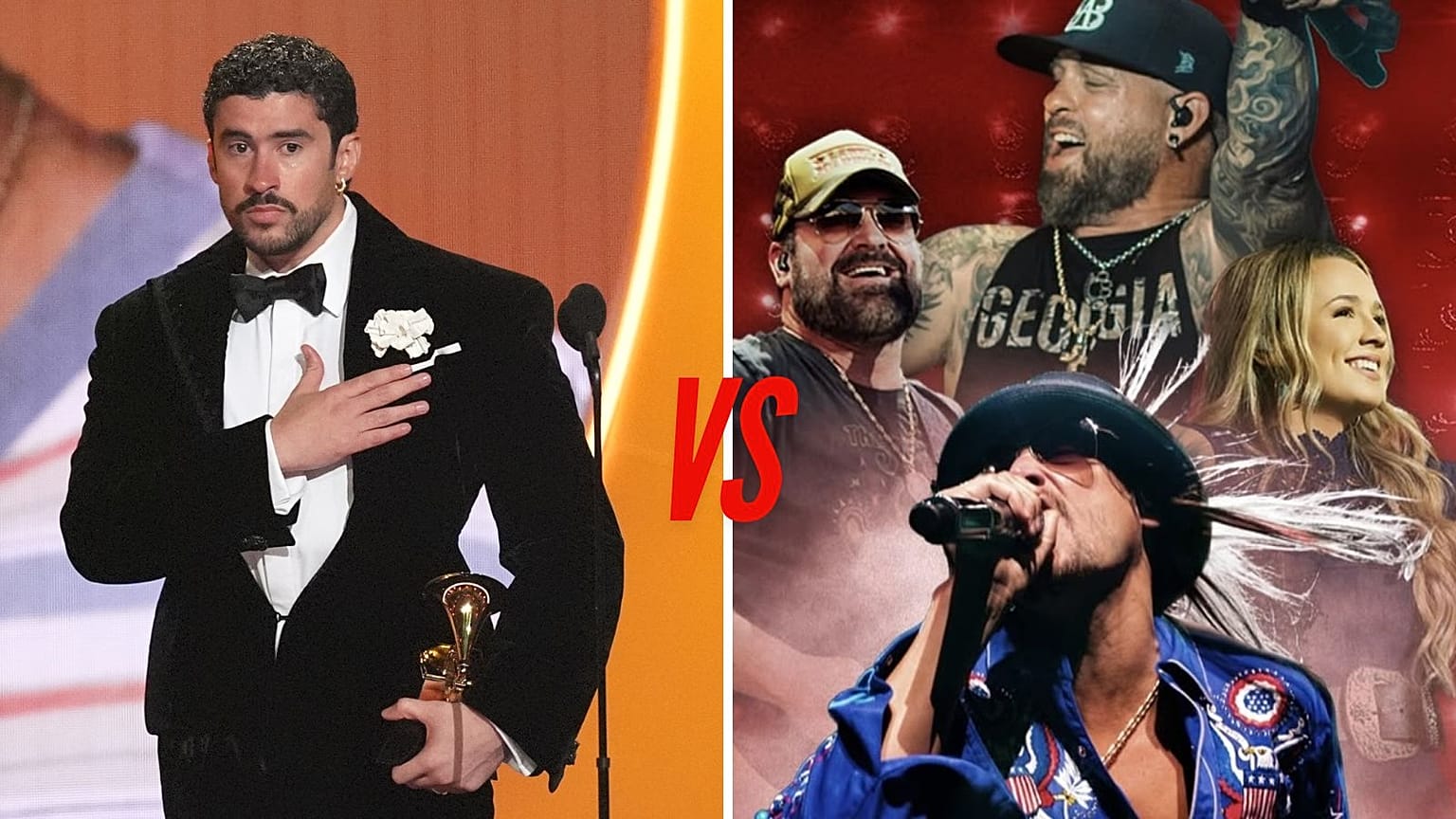
The All-American Halftime Show was conceived and produced by Turning Point USA (TPUSA), a political organization that has made a name for itself by promoting conservative values across the United States. This alternative show, which aired during Super Bowl LX’s halftime break, was presented as a patriotic counter-programming option for viewers who were dissatisfied with the NFL’s choice of performer — the Latin pop superstar Bad Bunny.
While the Super Bowl halftime show is typically known for its elaborate performances and celebrity-packed lineups, TPUSA’s show took a different route. Instead of opting for pop stars and mainstream performers, the All-American Halftime Show was built around country and rock music, genres often associated with American traditionalism and values. The show’s programming was crafted to reflect themes of faith, family, and freedom — values that TPUSA believes are vital to the fabric of American society.
The event was designed to provide an alternative for those viewers who felt out of place in the mainstream cultural landscape. It wasn’t just a musical performance, but a statement about the shifting cultural tides in America and the growing division between traditional and modern entertainment choices.
Key Performers: The Heart of the Show
The lineup for the All-American Halftime Show featured some of the most beloved figures in country and rock music. These artists were selected not just for their musical talents but because their songs and public personas align with the values that TPUSA seeks to promote. Let’s take a closer look at the performers who helped bring the show to life.
Kid Rock
Kid Rock, a Michigan native and a rock-and-roll icon, is known for blending country, rock, and rap into his music, creating a style that speaks to the heartland. His political outspokenness and support for conservative causes made him a natural choice for the All-American Halftime Show. His performance of his biggest hits, including “Cowboy” and “American Bad Ass,” was designed to resonate with a patriotic audience who values hard work, rebellion against the system, and freedom of expression.
His inclusion in the show wasn’t just about his music; it was about his status as a cultural figure who embodies the spirit of defiance that TPUSA wanted to showcase. Kid Rock’s performance was a loud statement — that America’s heartland still has a powerful voice in shaping the nation’s cultural narrative.
Lee Brice
Country artist Lee Brice was another standout performer in the All-American Halftime Show. Known for his soulful ballads and hard-hitting anthems, Brice’s music resonates deeply with fans of country and southern rock. His songs often reflect the themes of love, loyalty, and the value of hard work, which perfectly aligned with the show’s focus on family and faith.
Songs like “I Drive Your Truck” and “Rumor” became fan favorites at the halftime show, showcasing Brice’s ability to connect with his audience on an emotional level. For viewers tuning in to the All-American Halftime Show, his performance provided a heartfelt moment that encapsulated the kind of authenticity and emotional depth that they craved in their entertainment.
Brantley Gilbert
Brantley Gilbert, another powerhouse in the country music scene, brought his unique brand of rock-infused country music to the stage. Gilbert’s music often conveys a sense of rebellion, freedom, and pride, resonating with fans who feel that mainstream entertainment no longer reflects their values. His performance was full of high energy, as he performed hits like “Country Must Be Country Wide” and “Bottoms Up.”
Gilbert’s appearance in the All-American Halftime Show was more than just about music. It was about celebrating the rugged individualism that he represents, which resonates with a large swath of America. His performance brought an undeniable authenticity to the event, reminding viewers of the raw power of country music and the deeply held values that it often represents.
Gabby Barrett
Gabby Barrett, one of country music’s rising stars, rounded out the impressive lineup. Known for her powerful vocals and emotional delivery, Barrett’s inclusion brought a fresh and youthful perspective to the All-American Halftime Show. Her songs like “I Hope” and “The Good Ones” capture the essence of love, faith, and resilience, which are central to TPUSA’s message.
Barrett’s appearance helped bridge the generational gap, making the show accessible to younger audiences who might not typically tune in to country music or conservative events. Her performance represented the future of country music and its continued influence on American culture.
Why the Show Matters
The All-American Halftime Show was more than just a performance — it was a statement. The decision to air the show during the Super Bowl halftime wasn’t an attempt to steal viewers away from the NFL, but rather an effort to provide an alternative for those who felt disconnected from mainstream culture.
In recent years, Super Bowl halftime shows have become highly politicized, with debates over which artists should perform, what messages are conveyed, and how the show reflects American identity. The All-American Halftime Show was TPUSA’s attempt to offer a broadcast that aligned with the values of conservative America, giving voice to a group that felt underrepresented in mainstream media.
This event was a direct challenge to the idea that the Super Bowl halftime show is the singular, all-encompassing cultural event. Instead, it showed that viewers can seek out programming that aligns with their own beliefs and values. For some, this event felt like a victory — a chance to reclaim a space in American entertainment that they believed had been overtaken by progressive ideologies.
Cultural Impact: The Debate
The All-American Halftime Show did not go unnoticed. While some celebrated the show as a triumph of cultural expression, others criticized it as a divisive and unnecessary attempt to turn entertainment into a political platform.
Supporters of the show hailed it as a necessary corrective to what they saw as the growing politicization of mainstream entertainment. They argued that the show provided a much-needed platform for traditional American values, and that it offered a sense of inclusivity for viewers who felt that their voices were not being heard in the mainstream media.
Critics, however, viewed the event as a thinly veiled political stunt. They argued that it took away from the enjoyment of the Super Bowl and the halftime show, which is traditionally seen as a celebration of sport and entertainment, not a political platform. They also questioned the commercial interests behind the event, with many pointing out that TPUSA had used the event to further its political agenda.
Despite the polarized reactions, the event undoubtedly sparked a national conversation about the role of entertainment in shaping political and cultural discourse. In an era of increasing division, the All-American Halftime Show highlighted the growing need for alternative forms of media that cater to different ideological perspectives.
Looking Ahead: The Future of Alternative Programming
The success — or controversy — of the All-American Halftime Show has raised important questions about the future of counterprogramming in entertainment. If events like the Super Bowl continue to attract audiences who feel excluded or alienated by mainstream offerings, will we see more networks and organizations step in to offer alternatives?

This could be a turning point in how we consume entertainment. With the rise of streaming platforms and the ability to cater to niche audiences, we may soon see more events designed specifically for viewers who feel that traditional media doesn’t represent them. The All-American Halftime Show could very well be the beginning of a new trend in alternative programming that challenges the conventional norms of broadcast entertainment.
Conclusion: A New Era of Entertainment?
The All-American Halftime Show represented a significant moment in both the Super Bowl’s history and the wider cultural landscape. By providing an alternative to the NFL’s halftime spectacle, TPUSA offered a counter-narrative that resonated with millions of viewers. Whether you agree or disagree with the message, one thing is clear: the event sparked a dialogue about the intersection of entertainment, politics, and identity in modern America.
As we look to the future, it’s likely that we will see more moments like this — where cultural and political forces shape the programming we watch, and where viewers have the option to choose what aligns with their values. The All-American Halftime Show wasn’t just a one-time event; it was a reflection of a larger cultural shift that’s happening right before our eyes.