Shifting Narratives After Tragedy: As Old Acquaintances Speak, the Debate Over Alex Pretti’s Public Image Grows More Complicated

In the days following the fatal Minneapolis shooting that took the life of Alex Jeffrey Pretti on January 24, 2026, a familiar pattern unfolded. Grief poured in. Vigils filled the streets. Friends, coworkers, and strangers alike shared memories of a 37-year-old intensive care nurse described as gentle, compassionate, and deeply committed to helping others. Images circulated of Pretti hiking with his dog, smiling in scrubs after long hospital shifts, and standing at protests where he appeared to be advocating for people he believed were being treated unfairly.
That picture—of a kind-hearted caregiver caught in the middle of a chaotic moment—quickly became the dominant narrative. His family and supporters forcefully rejected early federal statements about the shooting, arguing that Pretti was unarmed and trying to help someone who had been knocked to the ground. Video clips and eyewitness accounts seemed to support that version, and many Americans felt they understood who Alex Pretti was.
But as the investigation continues and public attention remains intense, a different conversation has begun to surface—one that is quieter, more fragmented, and far more contentious. Some former friends and acquaintances, speaking anonymously or through private channels, have started to challenge the simplicity of the image that took hold so quickly. Their claims don’t focus on the shooting itself, but on how Pretti presented himself over the years—and whether the public persona people rallied around captured the full complexity of his life.
A Life Remembered—And Reexamined
To be clear, no one disputes the basic facts that defined Pretti’s public life. He worked as an ICU nurse, including shifts caring for veterans. He was known to friends and colleagues as capable, attentive, and emotionally present in high-stress situations. He loved the outdoors and frequently shared photos of time spent hiking or relaxing with his dog. Those elements of his life are well documented and widely acknowledged.
What some former acquaintances are now questioning is not whether those things were true, but whether they were the whole story.
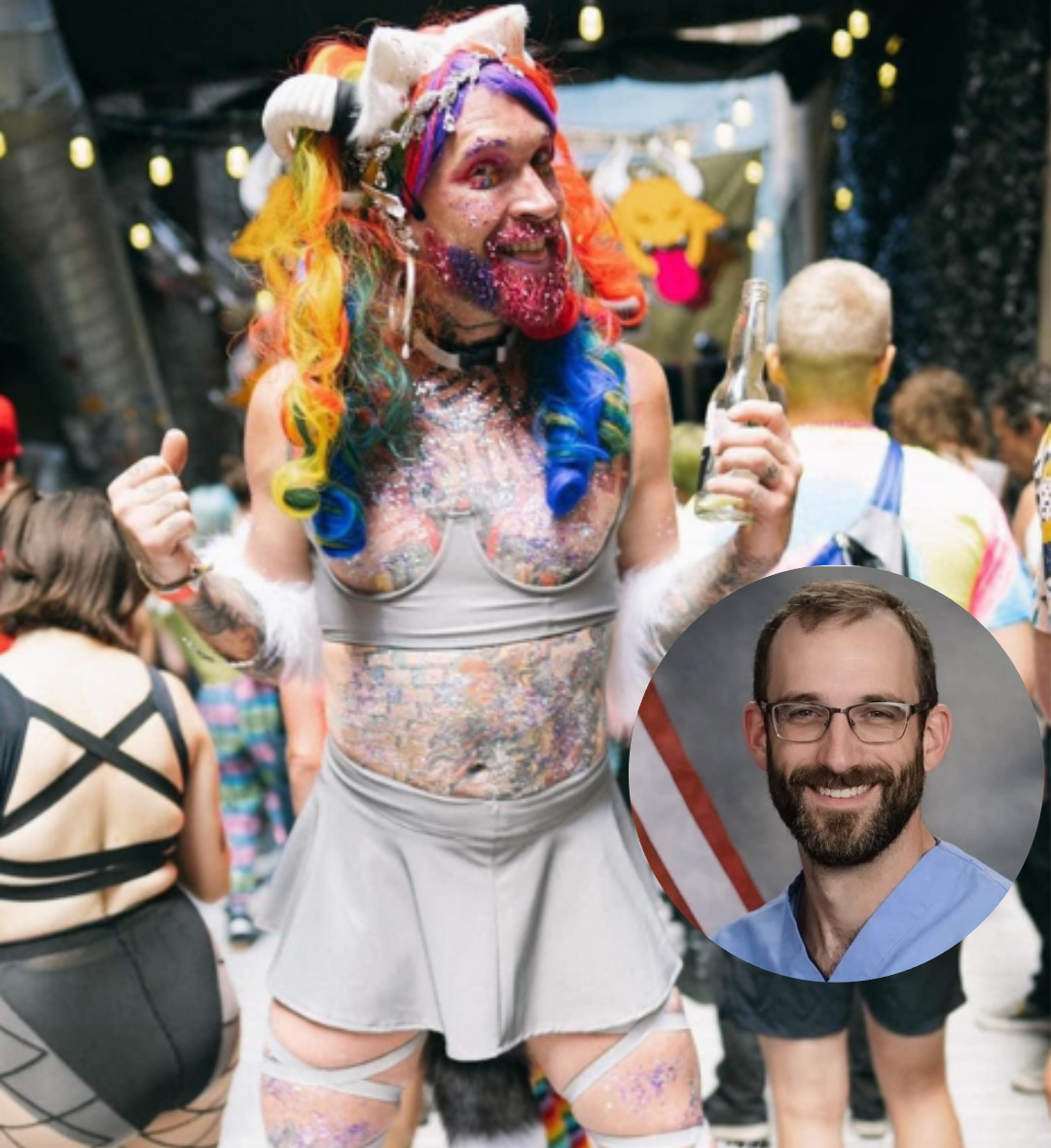
According to several people who say they knew Pretti years before his death, he also maintained a vibrant private world that rarely intersected with the professional image he shared publicly. They describe him as someone who enjoyed performance, creativity, and theatrical expression—interests that, in their telling, he kept largely separate from his career and activist identity.
These individuals stress that they are not commenting on the events of January 24 or suggesting that any aspect of Pretti’s personal interests justified what happened to him. Instead, they say their motivation is to push back against what they see as an overly flattened portrayal of a complicated human being.
“People are acting like he was this one-note saint,” one former acquaintance said privately. “He was kind, yes. But he was also expressive, dramatic, and loved performing. Both things can be true.”
Claims of a Carefully Managed Public Image
Some of the accounts emerging now suggest that Pretti was deliberate about how he presented himself in different spaces. Former friends describe a contrast between his buttoned-up demeanor at work—where professionalism and restraint were essential—and a more expressive side he explored in artistic and performance-oriented settings.
Several acquaintances allege that Pretti participated in drag and performance communities, where self-expression, costume, and theatrical flair were central. They describe nights spent at underground venues, events focused on performance and creativity, and a persona that was intentionally bold and attention-grabbing.
Importantly, these claims are presented by their sources not as accusations, but as context. Drag and performance culture, they emphasize, was not something Pretti was ashamed of—but it was something he rarely highlighted publicly, especially in professional or activist settings where he may have felt it would distract from his message or invite misunderstanding.
“He compartmentalized,” another acquaintance said. “At work and online, he leaned into being the calm, steady caregiver. In other spaces, he was bigger, louder, more theatrical. That doesn’t make either side fake.”
Why These Claims Are Stirring Debate Now
The timing of these revelations has made them especially controversial. Supporters of Pretti argue that revisiting his personal life at this moment risks shifting attention away from the central issue: whether federal agents used force appropriately and whether official statements about the shooting align with available evidence.
Many see the sudden interest in his private interests as an attempt to muddy the waters or erode sympathy. “None of this changes what happened that night,” one Minneapolis resident said at a recent vigil. “He was still a human being who didn’t deserve to die.”
Others counter that public conversations about tragedy often oversimplify people, turning them into symbols rather than acknowledging their full humanity. From this perspective, exploring the complexity of Pretti’s life isn’t an attack—it’s a reminder that people can be many things at once.
The Risk of Turning Complexity Into Suspicion
One of the most delicate aspects of this emerging discussion is how easily nuance can slide into judgment. Some critics online have framed Pretti’s alleged interest in performance and drag culture as evidence of manipulation or attention-seeking behavior, implying that his public image was intentionally deceptive.
Mental health professionals and sociologists caution against that interpretation.
“Managing different identities in different contexts is incredibly common,” said one expert familiar with occupational stress in healthcare. “Nurses, especially in intensive care, often maintain a calm, controlled exterior at work because the job demands it. That doesn’t mean their other interests are dishonest.”
Others note that people involved in activism or public causes often curate their image strategically—not to deceive, but to keep the focus on the issue rather than themselves.
“There’s a big difference between self-presentation and fabrication,” one media analyst said. “The danger is assuming that because someone didn’t share every part of their life publicly, they were hiding something.”
What This Does—and Doesn’t—Change About the Case
Legally and factually, these personal claims do not alter the core questions surrounding Pretti’s death. Investigators are still examining body-camera footage, bystander video, and eyewitness testimony. Courts are weighing requests for independent review. State and local officials continue to press for clarity around federal enforcement tactics.
Multiple videos reportedly show Pretti unarmed, holding a phone, and moving toward a woman who had been pushed down. Those images—and the questions they raise—remain central regardless of how layered his personal life may have been.
Civil rights attorneys involved in related filings have emphasized that character debates should not distract from evidence. “Whether someone was quiet or flamboyant in their personal life has no bearing on whether lethal force was justified,” one lawyer said.
A Community Split Between Grief and Scrutiny
As these discussions ripple outward, Minneapolis finds itself once again navigating a familiar tension: mourning a life lost while arguing over how that life should be remembered.
For many, Pretti will always be the nurse who stayed late with patients, the neighbor who walked his dog through local parks, the man who stepped forward when he thought someone needed help. For others, he was also an artist, a performer, and someone who enjoyed expressive spaces that didn’t fit neatly into the public narrative that followed his death.
Both images can coexist. The challenge lies in resisting the urge to weaponize one against the other.
The Broader Lesson About Public Memory
What’s happening now with Alex Pretti’s story reflects a broader pattern in American public life. When tragedy strikes, people rush to define who the person was—often in ways that feel clean, symbolic, and emotionally satisfying. Complexity gets sanded down. Contradictions are ignored.
But as time passes, the fuller picture almost always returns.
Friends remember different versions. Acquaintances recall moments that don’t fit the headline. And society is left to grapple with a harder truth: that human beings are rarely as simple as the stories we tell about them in moments of shock.
Where the Conversation Goes From Here
As investigations proceed and courts continue to sort through evidence, the debate over Alex Pretti’s image is likely to persist. Some will view the new claims as distractions. Others will see them as overdue nuance.
What remains essential is separating character exploration from accountability. Understanding who Pretti was in all his dimensions does not diminish the need for transparency about how he died. And questioning official narratives does not require idealizing the person at the center of the story.
In the end, the emerging discussion may say as much about how America processes loss as it does about Alex Pretti himself. A man can be kind and complex, professional and expressive, private and public—all at once. Recognizing that complexity doesn’t weaken the call for truth. It strengthens it.
And as Minneapolis continues to demand answers, the challenge will be to hold space for both facts and humanity—without letting either be flattened into something easier, but less honest.