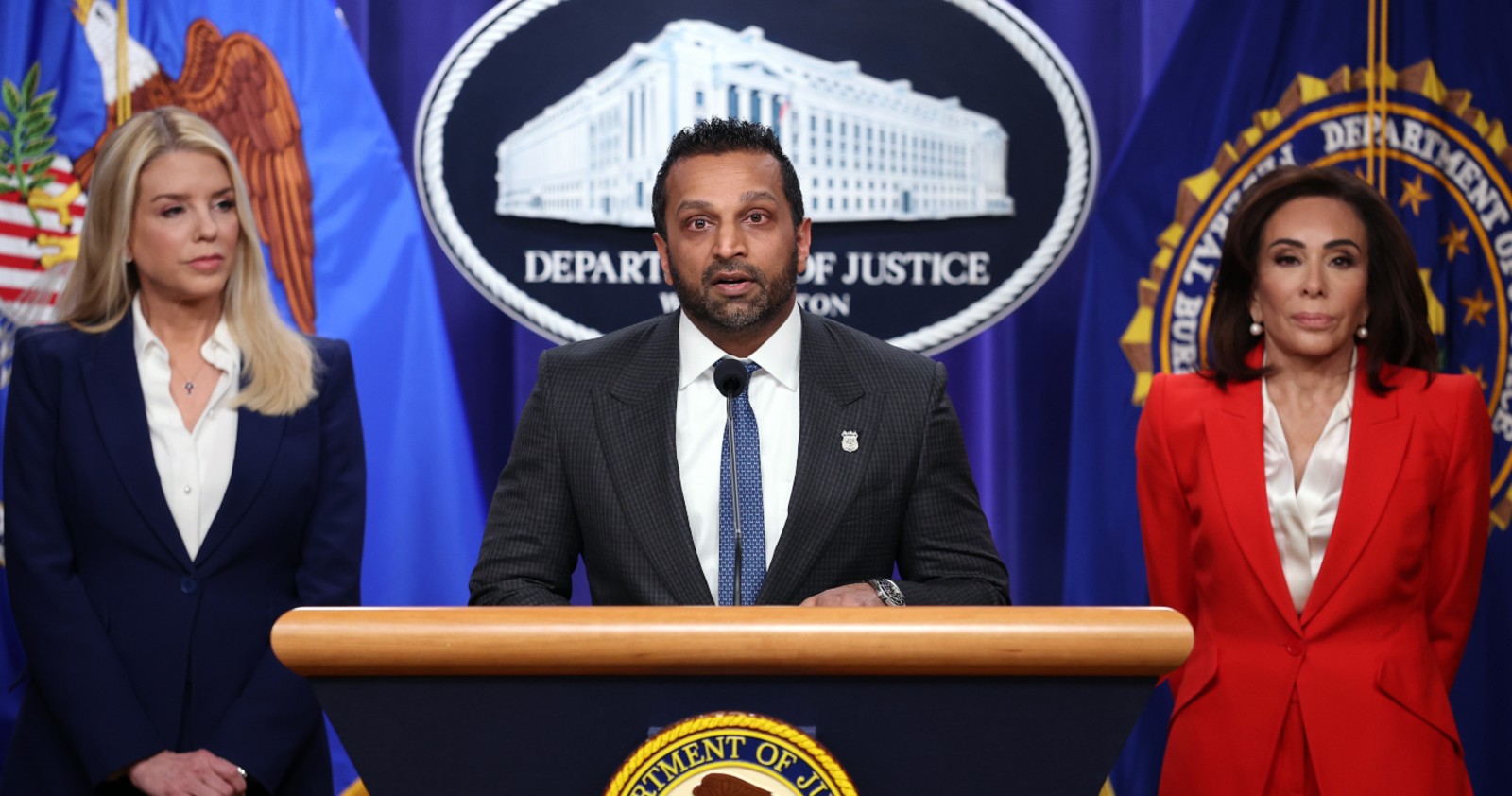
FBI Director Kash Patel announced what he described as a major breakthrough in the federal government’s fight against fentanyl and transnational criminal organizations. The FBI director also revealed that opioid overdose deaths declined sharply over the past year.
“We seized enough fentanyl in 2025 to kill 178 MILLION Americans. Opioid overdose deaths from last year dropped — 20 points,” Patel said, underscoring the scale of the synthetic opioid threat facing the country while also crediting coordinated federal, state, and local enforcement efforts.
According to earlier 2025 FBI testimony, the bureau has significantly ramped up operations targeting cartels, gangs, and drug trafficking networks following executive orders issued January 20 directing federal agencies to pursue the “total elimination” of cartels and transnational criminal organizations operating in the United States.
In February, the State Department designated six cartels and four transnational gangs as Foreign Terrorist Organizations (FTOs) and Specially Designated Global Terrorists (SDGTs). In response, the FBI launched a Counter Cartel Coordination Center to consolidate intelligence and operational capabilities.
Since January 20, 2025, the FBI reports:
- Over 25,000 immigration-related arrests
- 350 arrests of Tren de Aragua members
- 195 arrests of MS-13 members
Seizure of 66,600 kilograms of cocaine
- 6,675 kilograms of methamphetamine seized
- 1,500 kilograms of fentanyl seized

In March, federal authorities apprehended one of the FBI’s Ten Most Wanted fugitives, MS-13 leader Francisco Javier Roman-Bardales, in Mexico.
FBI-led task forces now include more than 9,000 federal, state, local, Tribal, and territorial law enforcement partners nationwide.
“We can’t do that unless we have great police partnerships,” Patel said. “Which is why I’ve embedded police officers here at HQ from around the country to make sure we have that connectivity.”
The fentanyl crisis has devastated communities across the country in recent years. Provisional data shows:
- 2023: Approximately 72,776 fentanyl-related deaths (about 69% of all U.S. overdose deaths)
2024: Approximately 48,422 deaths — a substantial drop from the prior year
- Fentanyl remains the leading cause of death for Americans ages 18–45.
The demographic impact has also been severe. In 2023, Black Americans experienced the highest fentanyl death rate at 35.0 per 100,000 people, followed by American Indian and Alaska Native populations at 28.5 per 100,000.
Federal officials attribute part of the recent decline to intensified interdiction efforts, maritime seizures, and cross-border enforcement coordination. For example, since April, the FBI Tampa Division’s Panama Express Strike Force, working with DEA, Homeland Security Investigations, and the U.S. Coast Guard, has seized approximately 66,900 kilograms of cocaine valued at more than $1.6 billion from maritime trafficking routes.
Patel emphasized that the fentanyl crackdown is part of a larger counterterrorism and national security framework. Following the October 7, 2023 Hamas attack in Israel, the FBI reported a surge in terrorism-related threats. The bureau now co-leads Joint Task Force October 7 (JTF 10-7) and continues to coordinate with immigration enforcement agencies on subjects eligible for removal.
The FBI currently maintains over 35,000 direct-funded positions across 55 field offices nationwide. “Keeping Americans safe at home and abroad is a no-fail mission,” Patel stated in prior testimony.
While overdose deaths remain historically high, the reported 2024 decline marks the first major drop after years of record-breaking fatalities tied to synthetic opioids.
Federal officials caution that fentanyl remains deeply embedded in the illicit drug supply chain, often mixed into cocaine, methamphetamine, and counterfeit prescription pills.
Still, Patel framed the latest statistics as proof that aggressive enforcement strategies — combined with expanded task force coordination and international collaboration — are beginning to shift momentum in the fight against cartels and synthetic opioids.
Whether the downward trend continues will likely depend on sustained interdiction, prosecution, treatment access, and cross-border pressure on supply networks.
But for now, the FBI is pointing to the 178 million lethal doses seized and the double-digit drop in overdose deaths as evidence that the tide may finally be turning to keep Americans safer.
This article may contain commentary which reflects the author’s opinion.
ABC Anchor Admits Truth As Trump’s DC Crackdown Yields Big Results
NEWS May 27, 2026 Trends7News
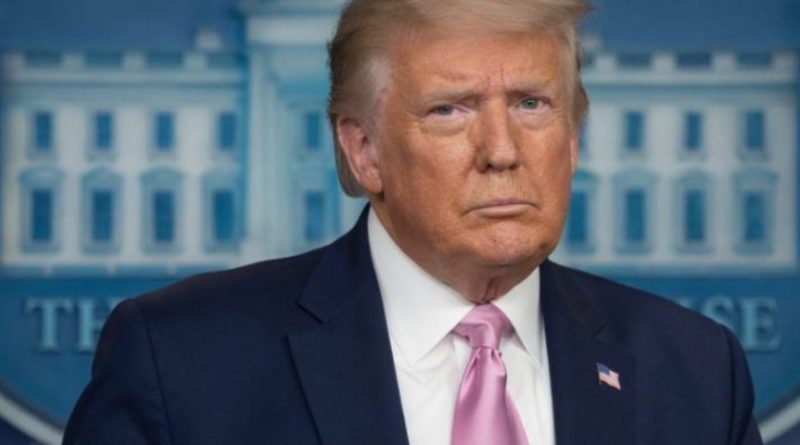
Washington didn’t see this coming. One order, one signature, and the city’s soul went up for grabs. Sirens, boots, unmarked cars, and a silence that felt like a warning. Crime fell fast. Fear fell slower. ICE vans circled schools, bus stops, corner stores. Families stopped answering knocks. Now the capital of American democracy is asking whether “law and order” just means la… Donald Trump’s decision to federalize Washington, D.C., did what years of press conferences and pilot programs could not: it made the streets feel different in a matter of days.
Some residents describe it as the first time in years they’ve walked home without clutching keys between their fingers, the first week their group chats weren’t just links to surveillance videos and police reports. They see the armored vehicles and joint task forces as overdue proof that someone in power finally took their fear seriously.
Democracy Under Strain
But on the same blocks, other residents have started memorizing license plates and escape routes. Parents rehearse what to say if an agent follows them from the playground. Local officers quietly admit they no longer know who’s really in charge on a call. What began as a crackdown on crime has become a stress test for democracy itself, forcing Washington to confront whether security built on terror can ever truly be called safe.
Rubio Hints At ‘Plan B’ In Iran Despite New Developments
NEWS June 2, 2026 Trends7News
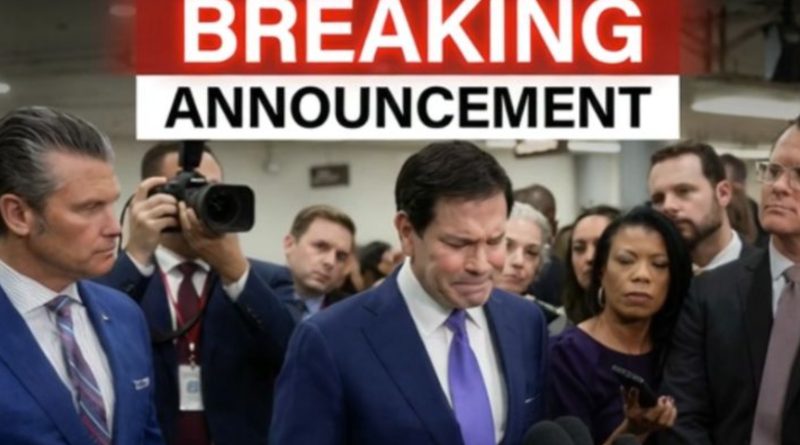
Secretary of State Marco Rubio said Friday that back-channel negotiations aimed at de-escalating tensions in the U.S.-Israel-Iran conflict have made “a little bit of movement,” though he stressed that progress remains limited and uncertain.
Rubio adopted a cautious tone, saying the latest developments are somewhat encouraging but not enough to justify optimism. “I don’t want to exaggerate it, but there’s been a little bit of movement, and that’s good,” he said, adding that he is “not popping champagne yet.” He emphasized that Washington does not want to overstate the situation and warned that the opportunity for diplomacy may not remain open indefinitely.
Behind the scenes, Pakistan is again playing a mediating role. Security sources indicate that Pakistan’s Army Chief, Field Marshal Syed Asim Munir, is expected to travel to Tehran for discussions with Iranian officials, as Islamabad works to sustain communication between Washington and Tehran.
Sticking Points In Diplomatic Efforts
A major sticking point in the discussions is Iran’s reported proposal for a “tolling system” in the Strait of Hormuz, a key global shipping route. Rubio rejected the idea outright, calling it unacceptable and warning it would undermine any diplomatic progress. The Strait of Hormuz remains central to global energy security, handling roughly one-fifth of the world’s oil shipments, making any disruption a serious international concern.
Trump Moves High-Stakes Meeting Back to White House
NEWS June 6, 2026 Trends7News
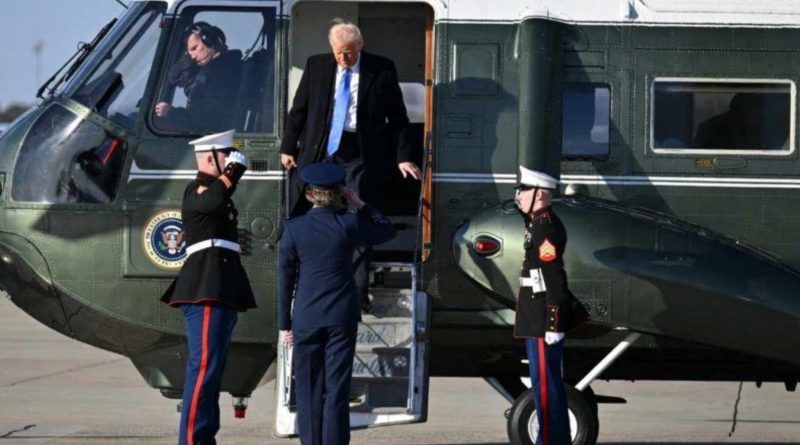
President Donald Trump will hold a Cabinet meeting at the White House on Wednesday after nixing plans to gather top administration officials at Camp David. The high-level meeting comes as the United States is “close” to finalizing a phase one deal to end the war in Iran. Trump said Wednesday that Iran is “negotiating on fumes” and “they want very much to make a deal.” “So far, they haven’t gotten there, we’re not satisfied with it, but we will be,” Trump said. “We will be. Either that or we’ll have to just finish the job. Their navy is gone, as I’ve said a thousand times, their navy is gone, their air force is gone, everything’s gone,” Trump added. Trump said the American people understand Iran can’t have a nuclear weapon. “They thought they were going to out wait me, you know,” Trump said. “‘We’ll out wait him. He’s got the midterms.’ I don’t care about the midterms. Look what happened last night. That was the prelude to the midterms. People understand it. They know that, very simple, Iran cannot have a nuclear weapon,” the president added.
Iran’s Hedging Strategy and Military Response
Former CENTCOM Commander Gen. Joseph Votel said Iran’s reported effort to lay mines in the Strait of Hormuz suggests Tehran is “hedging its bets” and attempting to ramp up pressure on the U.S. amid ongoing negotiations. “Clearly the Iranians are trying to hedge their bets here and put more pressure on the U.S., and what we saw here was CENTCOM detecting that and then taking military action to address it very, very quickly,” Votel said during a Tuesday appearance on Fox News’ “America Reports.” Votel praised CENTCOM’s swift response as an “effective use of military force,” while noting that both military and diplomatic efforts will likely be needed moving forward.
The comments came after CENTCOM said U.S. forces carried out “self-defense strikes” in southern Iran on Monday, targeting missile launch sites and two Iranian boats allegedly laying mines in the Strait of Hormuz. Mojtaba Khamenei, Iran’s supreme leader, as a “designated target” would have to stay in hiding, and any final arrangement with the U.S. would have to be approved via secret courier networks, counterterrorism experts warned Tuesday. The unusual structure, they said, implies Washington is negotiating a high-stakes deal with a wholly invisible counterparty, with a prospective memorandum signed by a regime leader and a “designated target” who can never publicly show his face.
Invisible Counterparty and Financial Demands
“Khamenei is a designated target, and every confirmed sighting is a coordinate,” Dr. Omar Mohammed told Fox News. “The courier system used for messaging is not transitional. It is the operating system of his rule,” Mohammed added. “Any deal the United States signs will have to be designed for a permanently invisible counterparty whose enforcement depends on his continued survival. That is not arms control as it has been conventionally understood. It is a memorandum signed under American military pressure, with a regime whose leader cannot show his face.
Iran is seeking to get the release of $24 billion in frozen cash as part of a possible deal with the US, Tasnim News, which is affiliated with the IRGC, said. Tasnim News stated that Tehran wants $12 billion to be released immediately after a memorandum of understanding is declared, with the rest of the money delivered over a 60-day period of discussion.
Oil Markets React to Negotiations
NYMEX data showed oil prices were hovering around $93.57 per barrel Tuesday afternoon, down 32 cents. Tuesday, FOX Business hosts David Asman and Lauren Simonetti said markets seemed to be preparing for tensions in the Strait of Hormuz to relax despite threats from Iran after U.S. strikes against Iranian sites. “Investors are betting that the strait will eventually reopen and oil prices will decline, even as inflation and rising interest rates continue to squeeze consumers,” Asman said. “The stock market is looking through this current crisis as something that will mitigate very soon after we open the Strait,” Asman said.