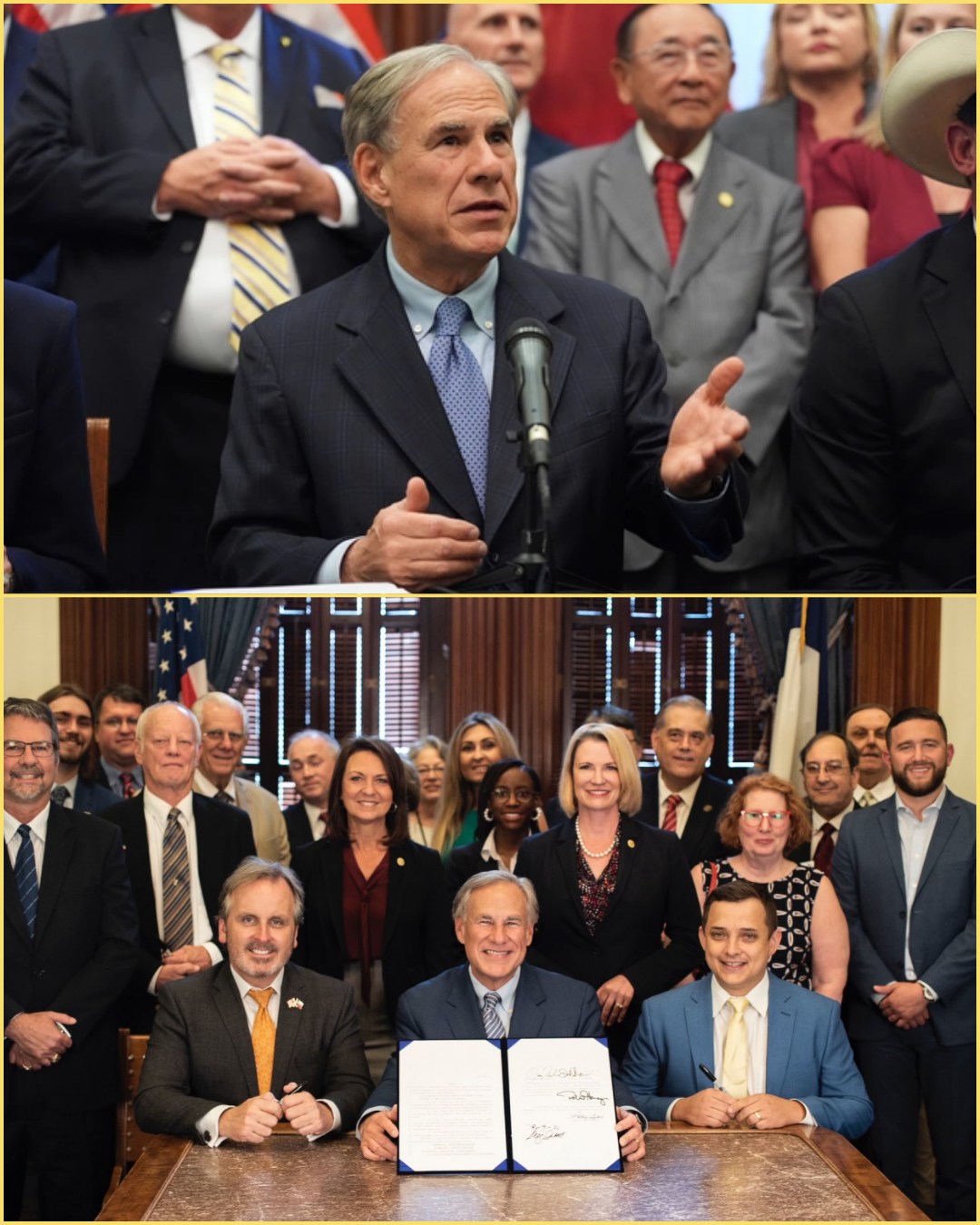

AUSTIN, TEXAS — Under the soaring rotunda of the State Capitol, Governor Greg Abbott signed a package of legislation on Friday that many are calling the most aggressive assertion of state identity in modern American history.
The moment carried a symbolic weight that extended far beyond the marble floors and echoing chambers of the Capitol, signaling a shift in how Texas intends to define its authority within the broader framework of the United States.
The bills, which focus on prohibiting “autonomous religious enclaves” and strictly limiting the seizure of private land by non-state entities, have sent a seismic shock through the national political establishment.
Lawmakers, policy analysts, and advocacy groups across the country are now scrambling to interpret not only the legal implications but also the cultural message embedded within the legislation.
At the heart of the debate lies a deeper question about sovereignty—how far a state can go in asserting its own identity without crossing into territory traditionally governed by federal law.
For Texas, a state with a long-standing reputation for independence and self-definition, this legislative move appears to be both a continuation of its past and a bold leap into an uncertain political future.
The centerpiece of the legislative blitz is a statute that effectively bans the establishment of what the bill terms “Sharia compounds.”
These are described as private residential developments governed by foreign religious or legal codes rather than Texas civil law.
The language of the bill is deliberate, crafted to emphasize the primacy of state authority while addressing what supporters claim is a growing concern.
Critics, however, have been quick to challenge both the premise and the wording of the statute.
Many argue that such “compounds” are largely hypothetical and that the law risks targeting specific communities under the guise of legal uniformity.
Civil rights advocates warn that vague definitions could open the door to selective enforcement and discrimination.
Supporters within the Texas legislature dismiss these concerns as exaggerated.
They argue that the law is not aimed at any particular religion but is instead a preventative measure designed to ensure that no parallel legal systems emerge within the state.
From their perspective, the legislation is about clarity and consistency, not exclusion.
Governor Abbott reinforced this interpretation during the televised signing ceremony.
“Texas is not a collection of independent fiefdoms; it is a sovereign state within a constitutional republic,” he declared. His remarks were met with applause from allies and sharp criticism from opponents, underscoring the deeply polarized reaction to the new laws.
Beyond the religious enclave provision, the legislation also includes sweeping new protections against land seizures.
This component of the package addresses concerns about both foreign investment and federal eminent domain powers, which have become increasingly contentious issues in recent years.
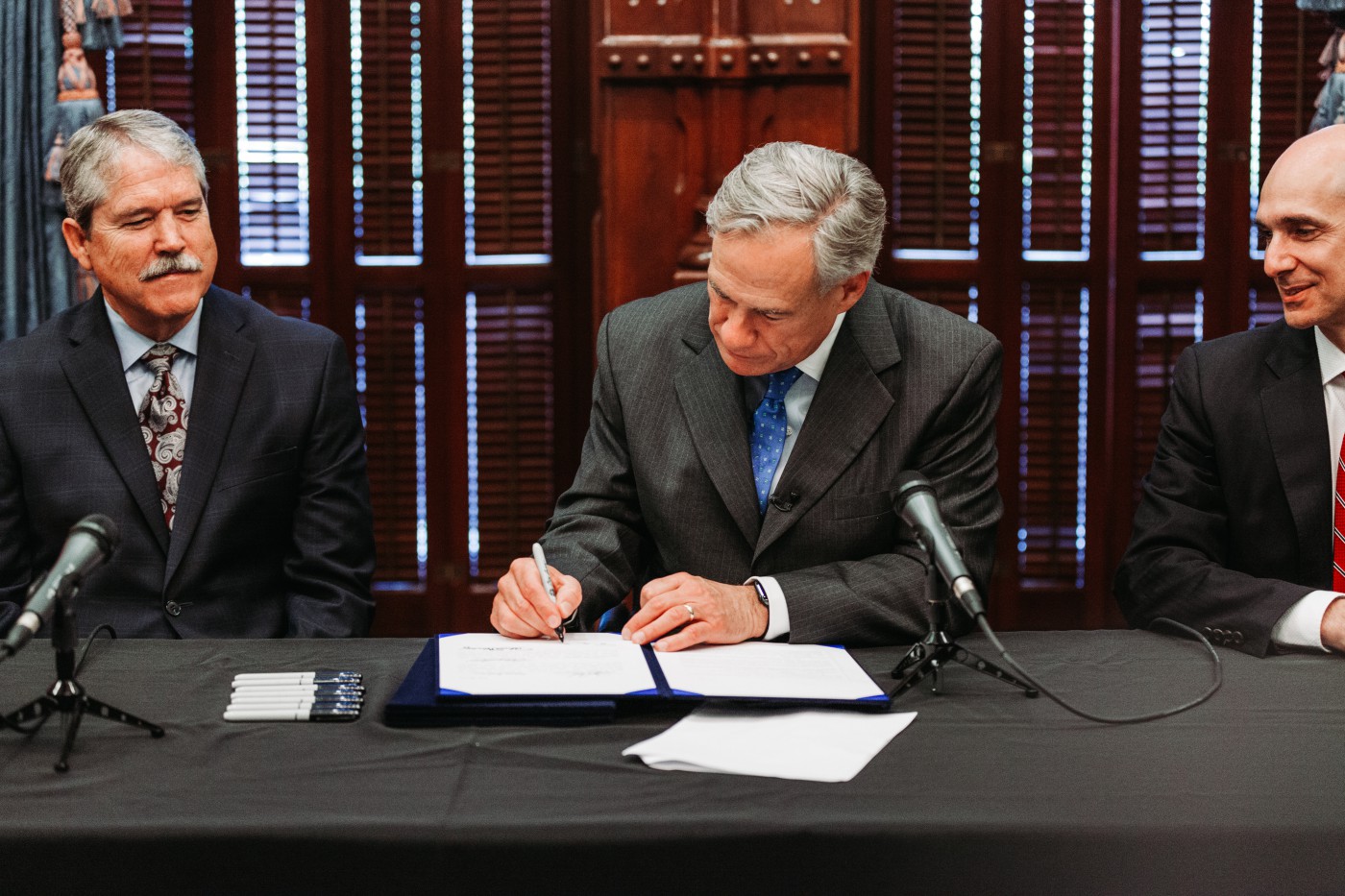
The new law prohibits foreign entities or federal agencies from seizing Texas land without a specific, high-threshold approval from the State Land Office.
Legal experts note that this requirement could create significant friction between state and federal authorities, particularly in cases involving infrastructure projects or national security considerations.
Some analysts believe this provision is the most consequential aspect of the legislation.
By directly challenging federal authority over land use, Texas is positioning itself for a potential constitutional showdown that could ultimately be decided in the courts, possibly even reaching the Supreme Court.
Across the state, reactions have been as diverse as Texas itself. In rural counties, where concerns about land ownership and cultural change run deep, the laws have been widely celebrated. Community leaders have framed the legislation as a long-overdue defense of local values and property rights.
In suburban areas around Dallas and Houston, support has also been strong, though often framed in more pragmatic terms.
Residents there emphasize the importance of maintaining clear legal standards and protecting investments, viewing the legislation as a safeguard against uncertainty.
Urban centers like Austin, however, have seen a markedly different response.
Protests and public forums have emerged as residents and activists voice concerns about civil liberties and the potential for unintended consequences. For many in these communities, the laws represent a step backward in terms of inclusivity and openness.
Social media has amplified these divisions, with hashtags supporting and opposing the legislation trending simultaneously.
The digital discourse reflects a broader national conversation about identity, governance, and the balance between security and freedom.
State representative Colton Miller, a primary sponsor of the land-seizure bill, has been one of the most vocal defenders of the legislation.
He argues that Texas is simply asserting its rights in the face of external pressures.
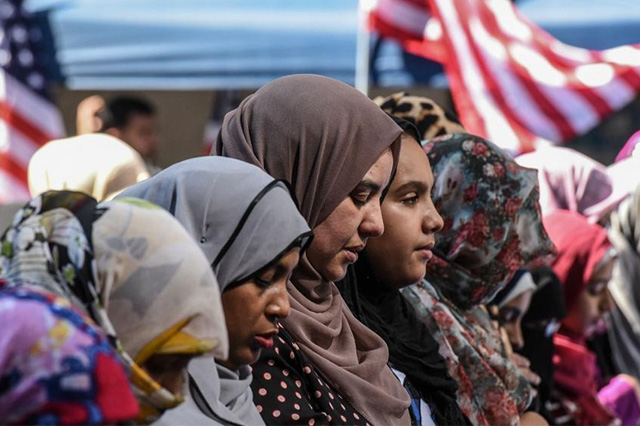
“They forgot that Texas belongs to Texans,” he said, encapsulating a sentiment that resonates strongly with his supporters.
Yet even among conservatives, there are nuanced views. Some legal scholars who generally support states’ rights have expressed concern about the potential legal vulnerabilities of the legislation.
They caution that poorly defined terms and broad enforcement powers could undermine the state’s position in court.
Civil liberties organizations have wasted no time in announcing plans for legal challenges. They argue that the ban on religious enclaves is not only vague but also potentially unconstitutional, violating protections related to religious freedom and equal treatment under the law.
Human rights attorney Sarah Jenkins described the legislation as “a solution in search of a problem.”
Her critique highlights a key point of contention: whether the perceived threats addressed by the laws are real and pressing or largely speculative and politically motivated.
Sociologists have begun analyzing the broader implications of what some are calling “Signal Green” politics.
This approach involves taking highly visible, preemptive actions to address perceived cultural threats, often with the goal of reassuring a concerned political base.
According to scholars, the Texas legislation fits neatly within this framework. By targeting issues like “compounds” and “land seizures,” the state government is tapping into anxieties about globalization, demographic change, and the erosion of traditional norms.
Dr. Helena Vance, a political sociologist, notes that the significance of these laws extends beyond their immediate impact.
“Texas is effectively creating its own ‘internal border,’” she said, suggesting that the state is redefining the boundaries of its authority in both symbolic and practical terms.
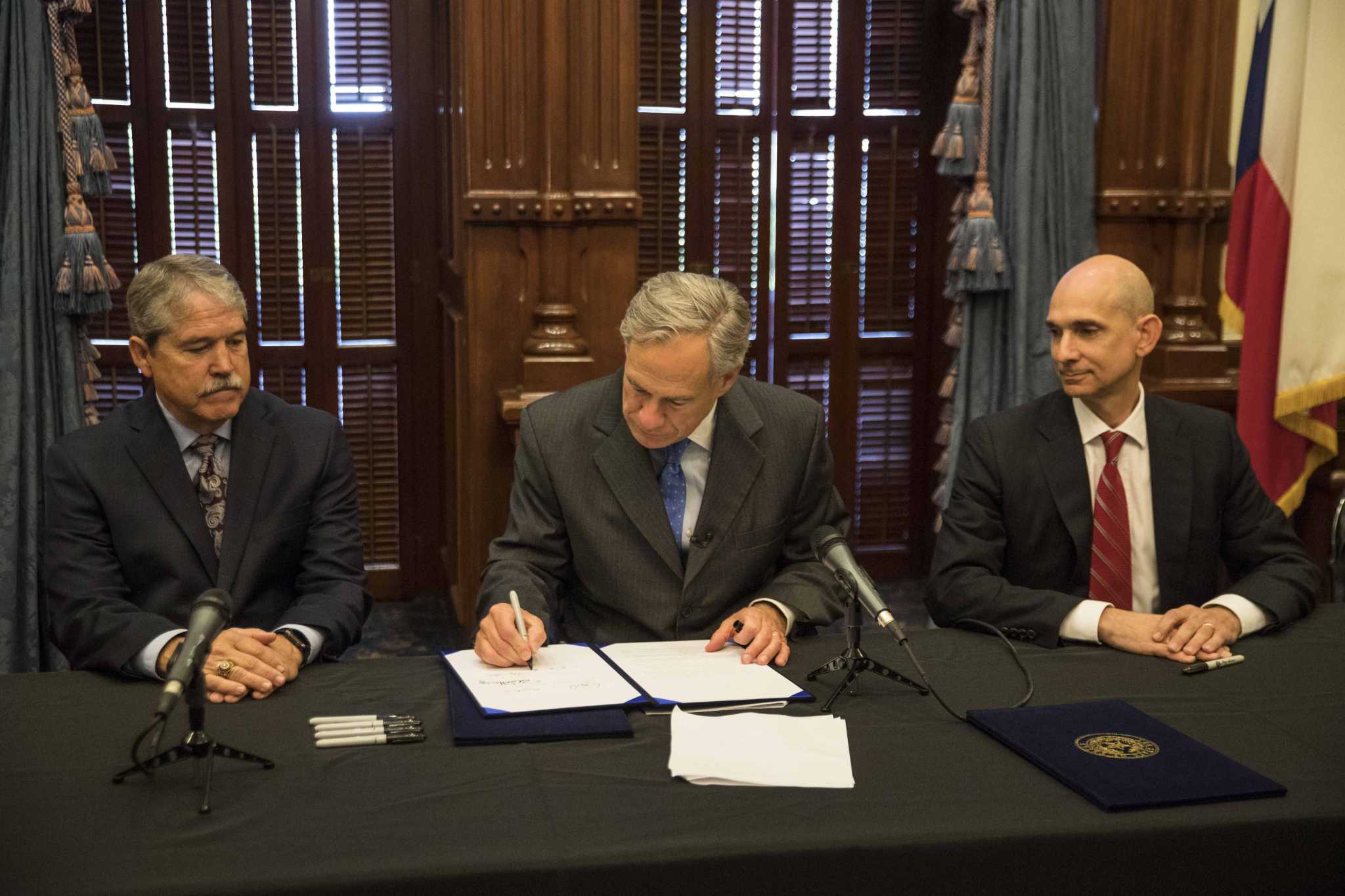
This concept of an “internal border” resonates with broader trends in American politics, where states are increasingly taking divergent approaches to issues ranging from immigration to education.
Texas, in this context, is positioning itself as a leader of a particular ideological movement.
The “Texas Model,” as some have begun to call it, is already attracting attention from other states. Governors in places like Florida,
Tennessee, and Montana are reportedly studying the legislation closely, considering whether similar measures could be implemented in their own jurisdictions.
As the 2026 election cycle approaches, the implications of these developments are becoming more apparent.
Candidates at both the state and national levels are likely to be pressed to take positions on the issues raised by the Texas laws, making them a central topic of political debate.
For supporters, the legislation represents a bold defense of state authority and cultural identity.
They see it as a necessary response to a rapidly changing world, one in which local communities must take proactive steps to preserve their values and autonomy.
For critics, however, the laws raise serious concerns about legal fragmentation and the erosion of civil liberties.
They worry that such measures could set a precedent for other states, leading to a patchwork of conflicting regulations and increased tension between different levels of government.
Legal battles are almost certain to follow, and their outcomes will play a crucial role in determining the future of the legislation.
Court decisions could either validate Texas’s approach or impose limits on how far states can go in asserting their authority.
In the meantime, the mood in Austin remains defiant. The Governor’s office has reported a surge in supportive calls, and plans for “sovereignty rallies” are underway in several major cities.
These events are expected to draw large crowds and further energize the movement behind the legislation.
As the sun sets over the Texas Hill Country, the significance of what has transpired continues to unfold.
The laws signed under the Capitol rotunda are more than just policy changes—they are a statement of intent, a declaration of how Texas sees itself and its place within the nation.
Whether this moment will be remembered as a turning point or a temporary escalation remains to be seen.
What is clear, however, is that Texas has taken a decisive step, one that will shape political discourse not only within its borders but across the entire United States for years to come.