
In early April 2026, California Democrats advanced Assembly Bill 2624 (AB 2624), a piece of legislation that many are calling the “Stop Nick Shirley Act.” The bill is framed as a measure to protect employees of taxpayer‑funded organizations from harassment and doxxing, but critics argue that it goes far beyond privacy concerns. They say it is a targeted assault on investigative journalism – especially the work of citizen watchdogs like Nick Shirley, who film undercover exposés about fraud and abuse in state‑funded programs.
Who Is Nick Shirley?
Nick Shirley is a 24‑year‑old independent investigator and YouTuber who has built a large following by exposing alleged waste and fraud in programs funded by Medi‑Cal, Medicare, and other taxpayer dollars. His method is simple: show up, film, and ask questions. In March 2026, Shirley released a nearly 40‑minute video that went viral. In it, he visited dozens of Los Angeles‑area daycares and hospice centers, many of which were still listed as active on state databases but appeared vacant, empty, or barely operating. He pointed out signs of ghost operations billing for services that did not seem to exist. The video quickly reached millions of views, sparking outrage about how public money is being used.
Shirley is not a traditional journalist. He often speaks directly to the camera, uses plain language, and focuses on visual proof rather than dry numbers. Supporters praise him for shining a light on hidden fraud that government audits often miss. Critics call him a provoker or “gotcha” journalist, but they agree on one thing: Nick Shirley’s work has made powerful people uncomfortable.

What Is AB 2624 – The “Stop Nick Shirley Act”?
AB 2624 was introduced by Assemblymember Mia Bonta, a Democrat from the East Bay. The bill’s official description says it aims to protect workers and leaders of taxpayer‑funded nonprofits from online harassment, threats, and doxxing. The law would allow these organizations to request removal of videos and online content that they claim invade privacy or threaten safety. If someone refuses, or continues to post, they could face fines of up to $10,000 per violation and, in some cases, misdemeanor charges and even jail time.
On paper, the goal sounds reasonable. Employees of immigrant‑support nonprofits, social‑services groups, and community centers often face verbal abuse, stalking, and online bullying. Laws to protect them from real threats are important. But the bill’s critics argue that the language is vague enough to be weaponized against investigators who expose fraud rather than harass innocent workers. Nick Shirley’s videos are often filmed in public spaces, outside buildings, and from public sidewalks. He rarely enters private homes or private offices. If AB 2624 becomes law, however, an organization can simply call his footage “invasive” or “harassing” and use it as a legal tool to silence him.
Why Critics Call It the “Stop Nick Shirley Act”
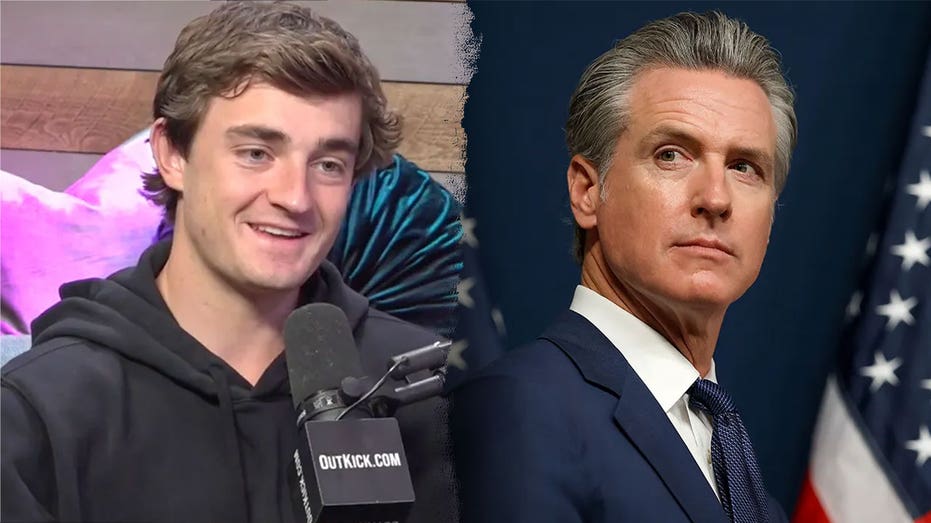
Republican Assemblymember Carl DeMaio has been one of the loudest voices calling AB 2624 the “Stop Nick Shirley Act.” He argues that the bill is not about protecting workers but about shielding corrupt organizations from exposure. DeMaio says California Democrats are trying to intimidate citizen journalists and protect waste and fraud in far‑left‑leaning NGOs. He claims that the bill is designed to silence people like Nick Shirley, who expose how taxpayer dollars are being abused.
There are three main reasons why critics see this as a “Stop Nick” bill:
- Nick’s timing. In March 2026, Shirley’s fraud exposé went viral, putting pressure on California to investigate how billions in public money are being spent. Just weeks later, AB 2624 advanced through committee.
- The wording of the bill. The bill targets “doxxing, harassment, and threats” but does not clearly distinguish between actual threats and investigative reporting that uses public‑record information.
- Mia Bonta’s family connection. Mia Bonta is the wife of Rob Bonta, California’s Attorney General, who publicly touts large Medi‑Cal fraud busts. Critics see irony in a lawmaker related to the state’s top prosecutor creating a law that could punish the people who first uncover that fraud.
How This Bill Chills Investigative Reporting
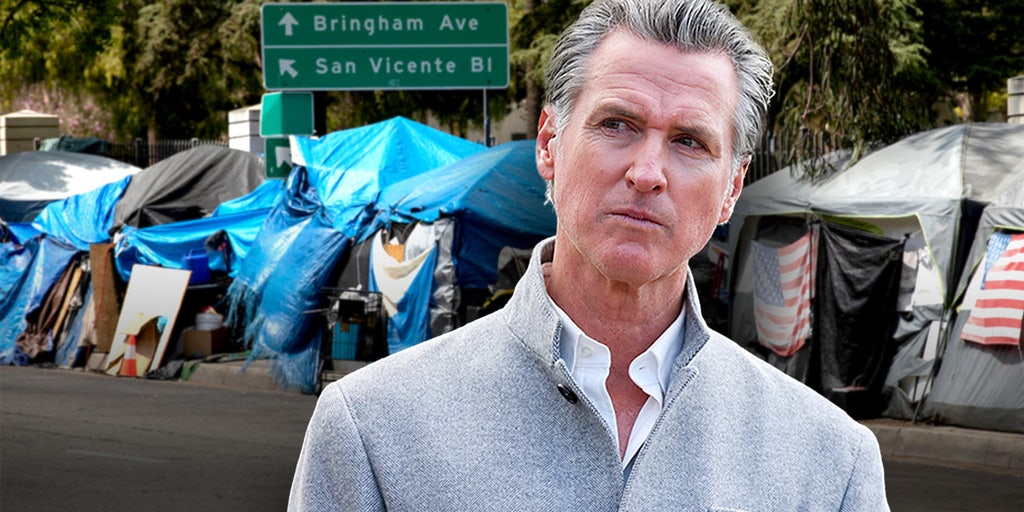
The real danger in AB 2624 is the “chilling effect” it could have on public accountability. If citizen journalists, bloggers, and small‑scale watchdogs know that they risk $10,000 fines and possible jail time every time a nonprofit calls their video “harassment,” many will choose self‑censorship over confrontation. They will not film, not publish, not share evidence. The law does not need to pass a single case to achieve this effect. The threat alone is enough.
Platforms like YouTube, social‑media networks, and news‑sharing sites may also start removing videos proactively, fearing they could get dragged into lawsuits. This has happened before in other countries and states, where organizations used vague anti‑harassment or doxxing laws to gut watchdog videos and hide misbehavior. The result in those places was less transparency, more fraud, and fewer watchdogs.
Nick Shirley’s work is crucial precisely because it fills the gap between official audits and reality. Government agencies cannot visit every facility, check every corner, or knock on every door. But a single determined investigator can. AB 2624 risks turning those investigators into legal targets instead of partners in accountability.
A Clash of Values – Privacy or Transparency?
Supporters of AB 2624 argue that privacy and safety are real concerns. They say workers in sensitive positions should not be exposed to public ridicule, online mobs, or real threats. In some cases, that is true. But the bill as written does not clearly define what counts as legitimate investigative reporting. It creates a legal minefield where the line between “exposing fraud” and “invading privacy” is left to the interpretation of judges, prosecutors, and powerful organizations.
Moreover, Nick Shirley typically films public buildings, public signs, and public behavior. He does not usually stalk individuals into their homes or workplaces. If a law can punish that kind of filming, it risks turning every public‑interest investigation into a legal gamble. Critics say the state should be cracking down on fraud, not on the people who show it on camera.
Free Speech and Freedom of the Press
Assemblymember DeMaio calls AB 2624 an “attack on free speech,” and he is not alone. Legal experts warn that the bill could violate First Amendment principles if it is used to punish people for speaking truth about public officials and public programs. In the United States, investigative reporting on government spending and public programs is core to democratic accountability. If California erects legal barriers that scare off citizen journalists, the public might never learn about the next daycare or hospice fraud scandal – until it is too late.
Nick Shirley is not perfect. His style is raw, his tone can be harsh, and his videos are clearly aimed at emotion and impact. But in a media landscape where attention is scarce, that style is sometimes what forces people to pay attention to real, systemic problems. If AB 2624 passes in its current form, it may achieve something California Democrats did not intend: a quieter, darker, less transparent state where fraud can hide in the shadows.
Frequently Asked Questions (FAQs)
Q: What is Nick Shirley investigating?
A: Nick Shirley investigates alleged fraud in taxpayer‑funded programs, including daycares, hospices, immigrant‑support NGOs, and social‑services organizations. He films locations, checks public records, and points out where money may be going to ghost operations or non‑existent services.
Q: What is AB 2624?
A: AB 2624 is a California bill that would allow taxpayer‑funded nonprofits to demand the removal of online content that they say invades privacy or causes harassment. Violators could face fines up to $10,000 per violation and possible jail time.
Q: Why is it called the “Stop Nick Shirley Act”?
A: Critics call it this because it could be used to silence or punish citizen journalists like Nick Shirley who expose fraud in public programs. The bill’s timing and target align with his recent exposés, so the nickname sticks as a warning.
Q: Does the bill protect privacy or silence journalists?
A: On paper, it claims to protect employees from harassment. But critics argue it is broad enough to be used against investigative reporting, not just real stalkers or harassers. This could discourage watchdogs from filming or publishing important stories.
Q: What can the public do?
A: People can contact their lawmakers, comment on the bill, attend hearings, or support free‑speech organizations that fight to protect investigative journalism. Public pressure may force the legislature to amend or reject AB 2624 if it is seen as a threat to transparency.
Q: Is Nick Shirley a journalist or just a YouTuber?
A: Officially, he is an independent YouTuber, but his work functions like watchdog journalism – he uses cameras and public records to expose fraud that official sources often overlook.