
A new social media post from the nation’s top communications regulator has intensified scrutiny surrounding one of television’s most recognizable daytime programs.
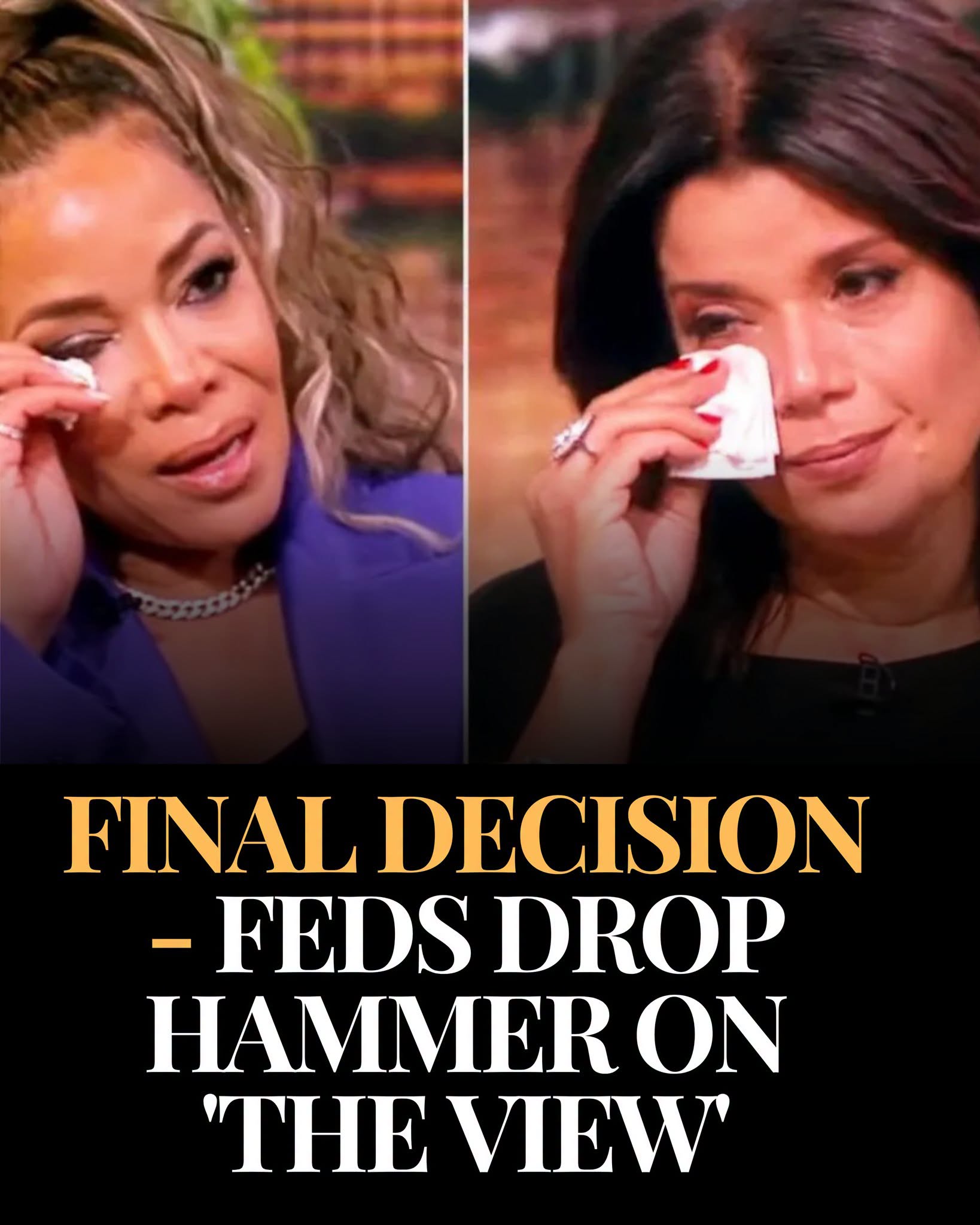
The move comes as federal officials continue reviewing whether ABC’s daytime left-wing political gabfest “The View” still qualifies for an important exemption under longstanding broadcast regulations.
The development has renewed debate over the line between news programming and political commentary, a distinction that could prove significant as federal regulators examine the case.
While no final decision has been reached, the latest public comments suggest the review remains active.

Federal Communications Commission Chairman Brendan Carr this week shared a montage of political commentary on the show, where its co-hosts were decisively pushing Democrats and left-wing politics and policies exclusively, as the agency considers whether the program qualifies for an exemption to the FCC’s political equal time requirements.
In a post on X, Carr said Disney, the parent company of ABC, has argued to the FCC that The View should be treated as a “bona fide news program,” a designation that can exempt certain broadcasts from equal time obligations under federal law.
“Disney is arguing to the FCC that its ABC show The View is a ‘bona fide news program,’” Carr wrote.
He added that Disney has argued its editorial decisions are based on “newsworthiness” rather than partisan motivations and therefore qualify for the exemption provided under the FCC’s rules.
“Disney claims that its decisions are based on ‘newsworthiness’—rather than partisan purposes—and thus exempt from political equal time rules,” Carr wrote.
“The FCC will make its decision based on all relevant evidence and precedents,” he added.
The montage Carr posted included clips of panelists on the show discussing elections, criticizing Republican politicians, and expressing support for Democratic candidates and policies, which Carr highlighted as part of the ongoing review.
The FCC has not announced a final decision regarding the matter, and Carr’s post did not indicate when the agency expects to conclude its review.
The equal time rule generally requires broadcasters to provide legally qualified political candidates with comparable opportunities to use a broadcast station when one candidate is given airtime, although federal law includes several exemptions for bona fide news programming, news interviews, documentaries, and on-the-spot coverage of news events.
Whether the show qualifies for that exemption is among the issues being examined by the commission.
Despite drawing attention to the matter, Carr has also emphasized that he does not believe the FCC should function as a regulator of political speech.
Speaking on POLITICO’s “The Conversation” podcast with Dasha Burns, Carr said the commission’s responsibility is to enforce laws enacted by Congress rather than police viewpoints expressed by broadcasters.
“I don’t view the FCC as the speech police,” Carr said.
He argued, however, that broadcasters operate under a regulatory framework requiring them to serve the public interest and suggested the agency has stepped back from enforcing some aspects of that framework over the past several decades.
“I think in the media space in particular, the FCC over the last 20 or 30 years really backed away from the regulatory framework that Congress put in place,” Carr said.
“I don’t think it’s been a good thing, either in terms of our job of administering the law or the outcome that we’re seeing across the media sector,” he added.
Carr also pointed to declining public confidence in the news media, arguing that trust in journalism has fallen dramatically over time.
“Fifteen percent of people would eat gas station sushi,” Carr said. “Only 8 percent of people say they have a great deal of trust” in the media, Breitbart News reported.
The FCC has not indicated when it expects to issue a decision regarding ABC’s arguments, but the review could help clarify how federal regulators distinguish between news programming and opinion-based shows under the agency’s longstanding equal time rules.