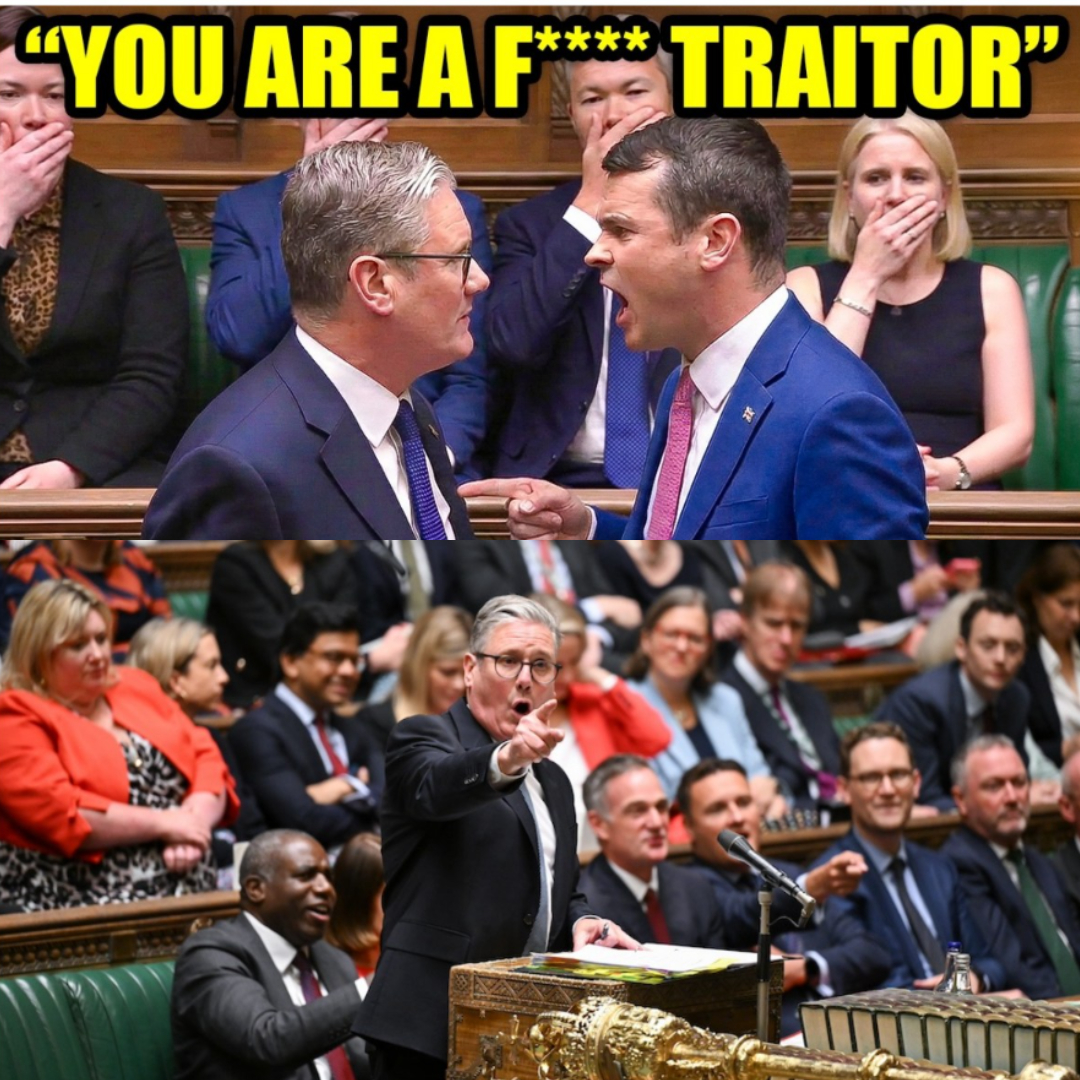

Week after week, Prime Minister’s Questions in the House of Commons have become a ritual of evasion rather than genuine scrutiny.
Keir Starmer stands at the dispatch box, delivering the same rehearsed lines about “only a Labour government will deliver this kind of change,” while opposition MPs fire pointed questions about rising welfare costs and squeezed living standards.
One recent exchange captured the mood perfectly. Conservative MP Lewis Cocking highlighted that welfare spending is projected to rise by another £70 billion by 2030.
He pointed out that working people are being taxed more heavily only to see funds redirected toward those who, in the eyes of many constituents, do not genuinely need the support or are slipping through fraud loopholes.
Starmer’s response was familiar: blame the previous 14 years of Conservative rule and insist Labour is cleaning up the mess.
To many watching, the answer rang hollow. The numbers paint a sobering picture. Britain’s national debt hovers around £2 trillion or more, with interest payments alone threatening to swallow ever-larger portions of the budget.
That £70 billion welfare increase must come from somewhere, and critics argue it is funded by higher taxes on earners while services for ordinary families stagnate or decline.
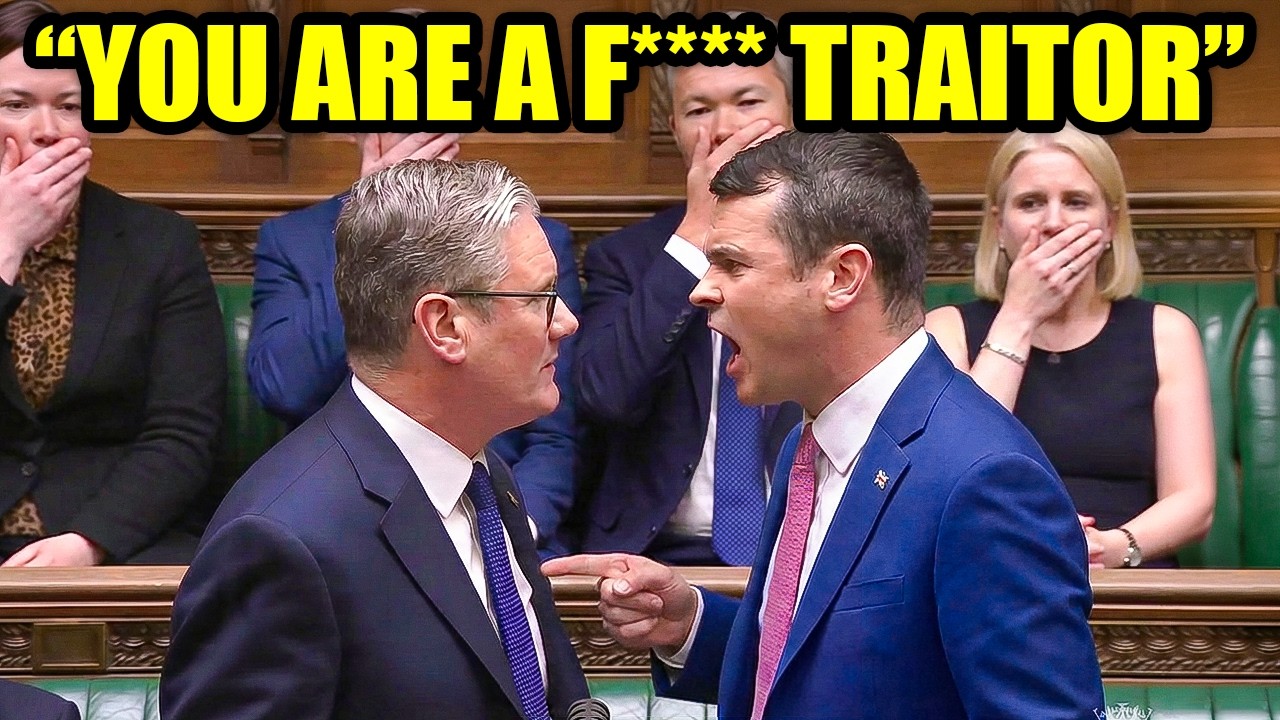
The pattern feels like classic tax-and-spend redistribution, a cycle that many believe betrays the very people who voted Labour into power after growing tired of the previous government.
Promises of change have given way to a reality where hardworking taxpayers feel they are paying more and receiving less.
Constituents in places like Broxbourne and across the United Kingdom tell MPs they feel taken for mugs by a government that lectures about fairness while delivering higher bills and diminished returns.
The chamber itself often tells its own story. During Prime Minister’s Questions, attendance can appear sparse, with MPs seemingly enduring rather than engaging in the proceedings.
Starmer has faced accusations of avoiding straight answers, and one memorable moment saw him snap at a colleague on the way out of the chamber, reportedly telling her she had no right to demand responses.
Such incidents fuel the perception that accountability has become optional. For a growing number of observers, Starmer appears politically Teflon-coated—nothing seems to stick, despite mounting criticism.
The question echoes louder each week: why won’t he go? Public sentiment on social media reflects the deepening discontent.
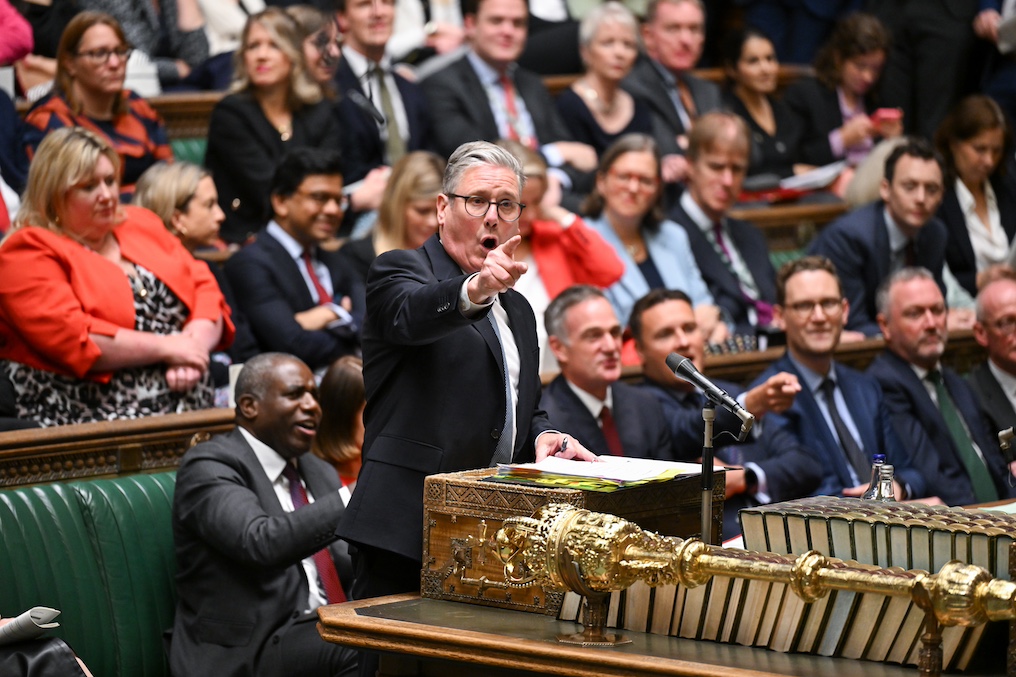
Searches for “Starmer resign” reveal a torrent of frustration. Commentators describe him as both incompetent and out of touch.
One particularly revealing clip featured former Prime Minister Liz Truss explaining the Constitutional Reform and Governance Act.
She pointed out that the legislation effectively grants civil servants independence and impartiality, limiting elected ministers’ ability to intervene in key decisions such as vetting or monetary policy.
The implication is stark: voters elect Members of Parliament, yet unelected civil servants often hold the real power.
This structural reality, critics argue, has hollowed out democratic accountability, leaving ministers as figureheads while the permanent bureaucracy steers the ship.
Recent scandals have only amplified the pressure. Reports surfaced suggesting Starmer could face calls to resign over issues involving security clearances and appointments, including controversy surrounding Peter Mandelson’s role and alleged misleading of Parliament.
Deputy Prime Minister Angela Rayner and other senior figures have found themselves in the spotlight as rumours swirl about internal Labour tensions.
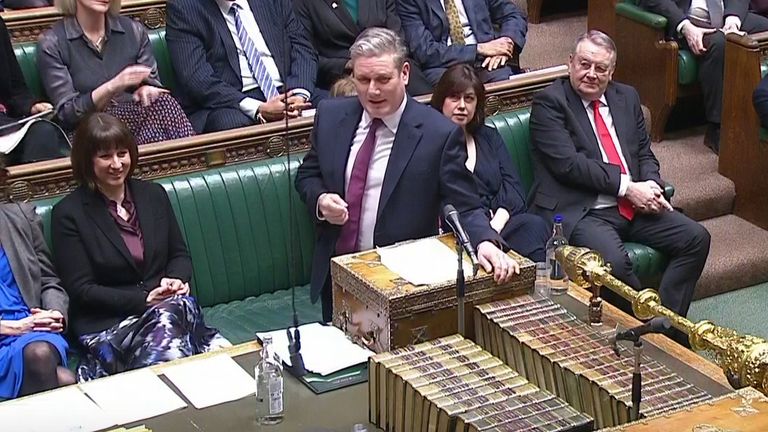
Former senior civil servants have weighed in, defending or criticising decisions within the Foreign Office and beyond.
The cumulative effect is a portrait of a government lurching from one self-inflicted crisis to another, with Starmer positioned as the public face of a deeper systemic failure.
At the root of the anger lies a profound sense of betrayal. Many voters turned to Labour after 14 years of Conservative-led coalitions and governments, hoping for relief from austerity, better public services, and economic competence.
Instead, they see taxes rising on working families, welfare expanding without sufficient safeguards against abuse, and a national debt burden that threatens future generations.
The redistribution model, while sold as progressive, feels to critics like a one-way street that punishes effort and rewards dependency.
Promises made on the campaign trail now clash sharply with the reality of squeezed budgets, higher energy costs, and stagnant wages for many in the middle.
The broader constitutional questions raised by figures like Truss add another layer of unease. If civil servants operate with such independence that elected leaders cannot meaningfully direct policy, then what exactly are voters choosing at the ballot box?

The Bill of Rights, the Act of Settlement, and other foundational documents were designed to protect the people’s liberties, yet modern reforms appear to have tilted power toward an unaccountable administrative class.
Calls are growing for greater legal awareness among the public—peaceful, informed engagement to demand that the system works as intended rather than allowing it to be gamed by insiders.
Disenchantment runs so deep that many citizens have simply disengaged. Voter turnout suffers, protest remains muted, and the same faces remain in power.
Critics warn that staying silent only hands the current administration free rein to continue its agenda unchecked.
The solution, they argue, lies in renewed civic participation: showing up, speaking out, and insisting on transparency and accountability.
Without that pressure, the cycle of broken promises and rising taxes will only accelerate. Starmer’s personal style has not helped his cause.
His repeated insistence that Labour alone can deliver change now sounds like an empty slogan to ears grown weary of political spin.
The welfare figures, the debt mountain, and the tax hikes on working people create a narrative of a government that talks fairness but delivers hardship.
When combined with allegations of misleading Parliament and controversies over appointments, the picture emerges of a leadership struggling to maintain control while the machinery of state operates on its own terMs.
Yet Starmer clings on, seemingly immune to the growing chorus demanding his departure. Some speculate about the forces keeping him in place—powerful party interests, civil service loyalty, or simply the absence of an obvious successor willing to step into the fray.
Whatever the reason, the public’s patience is wearing thin. From the backbenches to living rooms across the British Isles, the sentiment is hardening: something has to give.
The stakes extend far beyond one man or one party. Britain’s future hinges on whether its political class can restore trust in the system.
That means honest answers at Prime Minister’s Questions, genuine efforts to control welfare spending without punishing earners, and a willingness to confront the structural imbalances that leave elected representatives sidelined by unelected officials.
It also requires ordinary citizens to re-engage rather than retreat into cynicism. As the national debt climbs and welfare projections soar, working families continue to feel the pinch.
They watch their taxes rise while services strain and opportunities seem to shrink. The Labour government that rode a wave of anti-Conservative sentiment now finds itself facing the same wave of disillusionment it once harnessed.
The irony is not lost on those who warned that swapping one set of disappointments for another would solve nothing.
In the end, the drama unfolding in Westminster is about more than partisan point-scoring. It is about whether Britain’s democracy can still deliver for the people it claims to serve.
Keir Starmer’s refusal to provide straight answers, the ballooning welfare bill, the towering debt, and the sense that real power lies elsewhere all point to a system in need of urgent repair.
Until accountability returns to the heart of government, the calls for resignation will only grow louder, and the public’s faith will continue to erode.
The coming months will test whether Starmer can steady the ship or whether the accumulating scandals and economic pressures will finally force a reckoning.
For now, the British people watch, increasingly cheesed off, and wonder how much longer the Teflon Prime Minister can hold on before the inevitable slip finally occurs.
The numbers do not lie, and neither does the growing frustration echoing from every corner of the United Kingdom.